North Cascades | Okanogan Range
Okanogan-Wenatchee National Forest
Location: 48.75153, -120.06786
Summit Elevation: 7,437′
Lookout Type: D-6 cupola and 30′ L-4 tower
Site Established: 1920
Current Structure Built: D-6: 1923; L-4 tower: 1947
Dates Visited: 7/28/18, 10/09/20
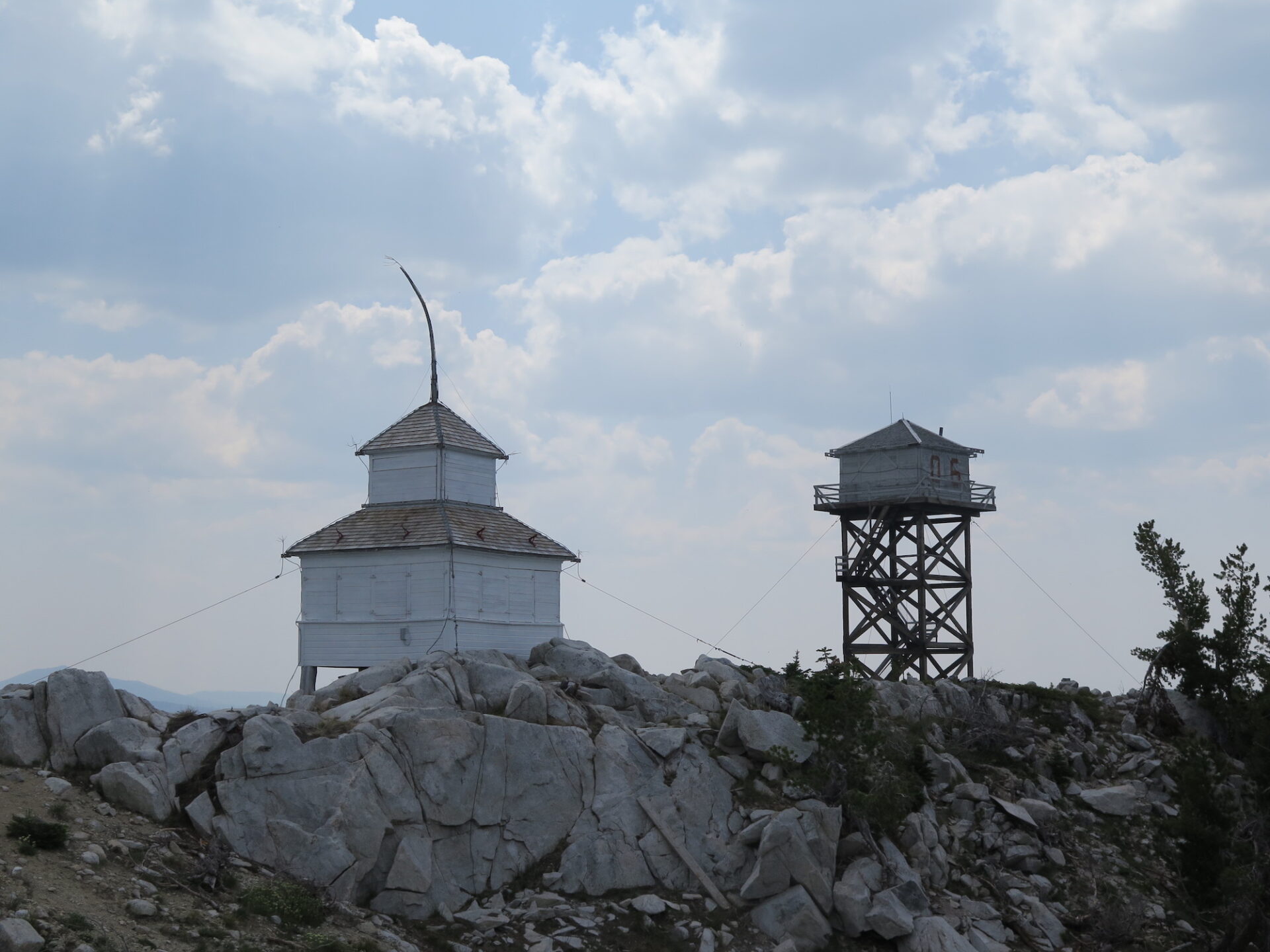
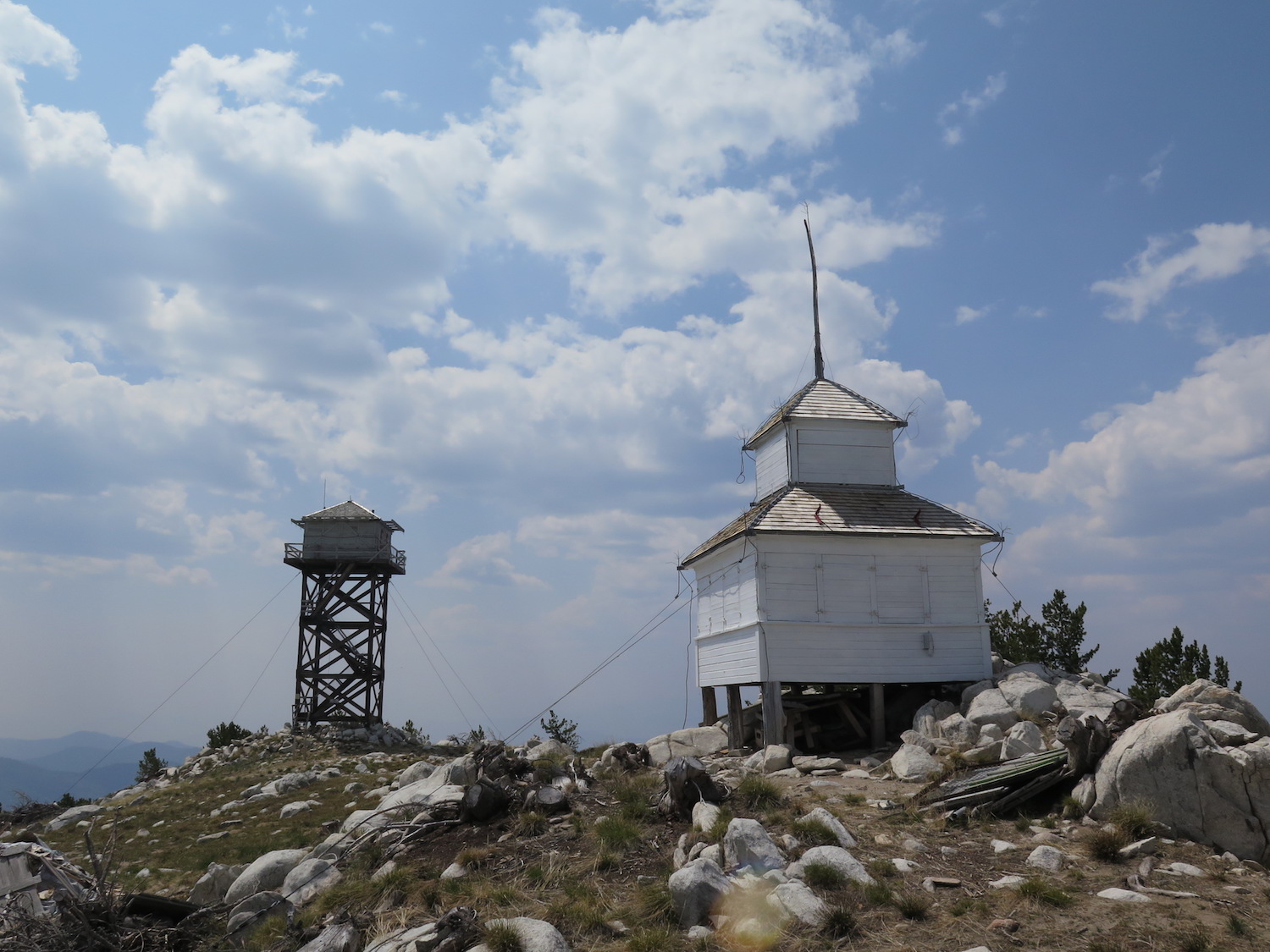
North Twentymile is a really special Washington fire lookout! It’s the 3rd highest in Washington State in terms of elevation (7,437′) and one of only two sites in the state with twin fire lookouts. The beautifully restored 1923 D-6 cupola on the summit is one of the last remaining.
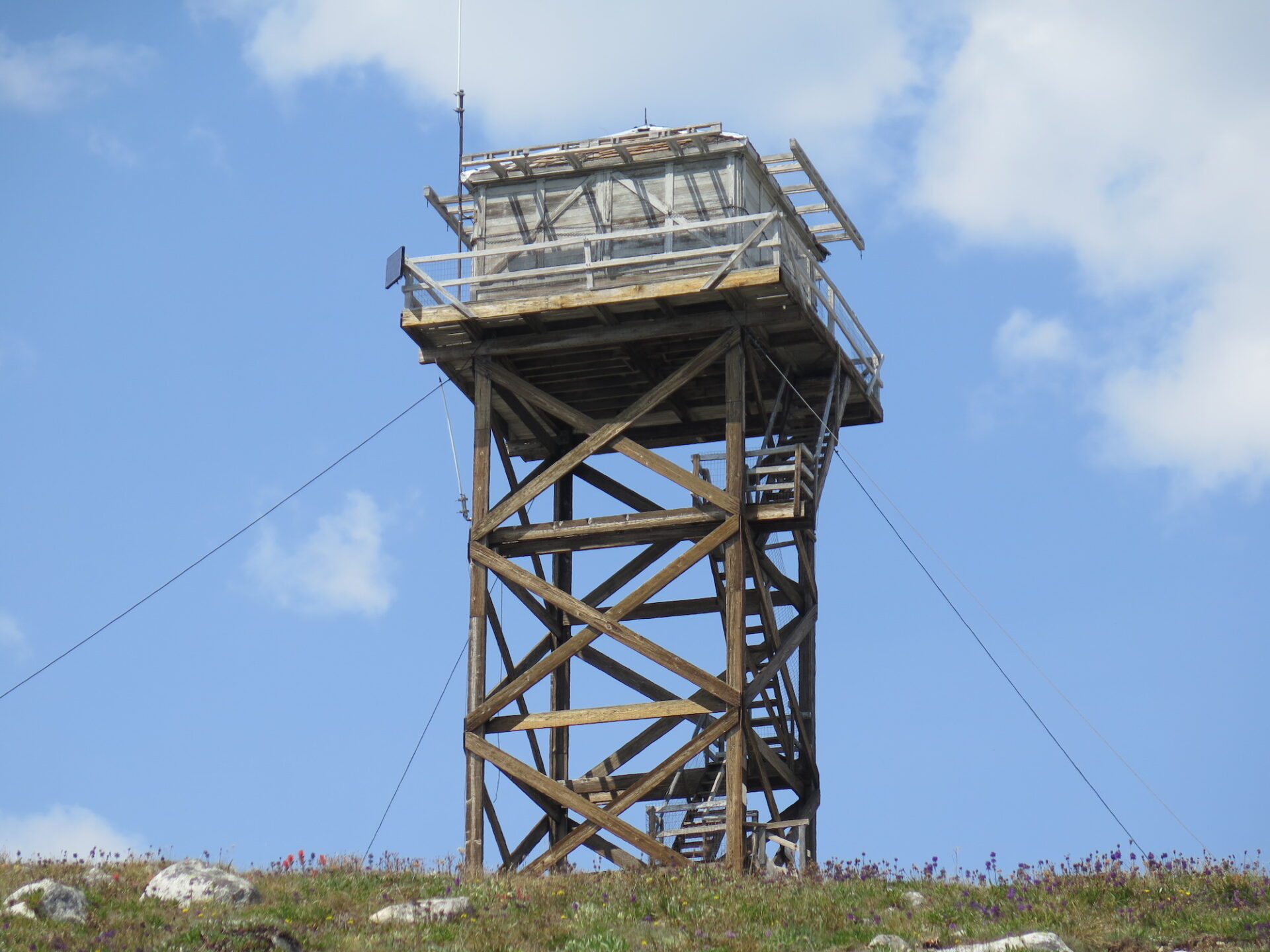
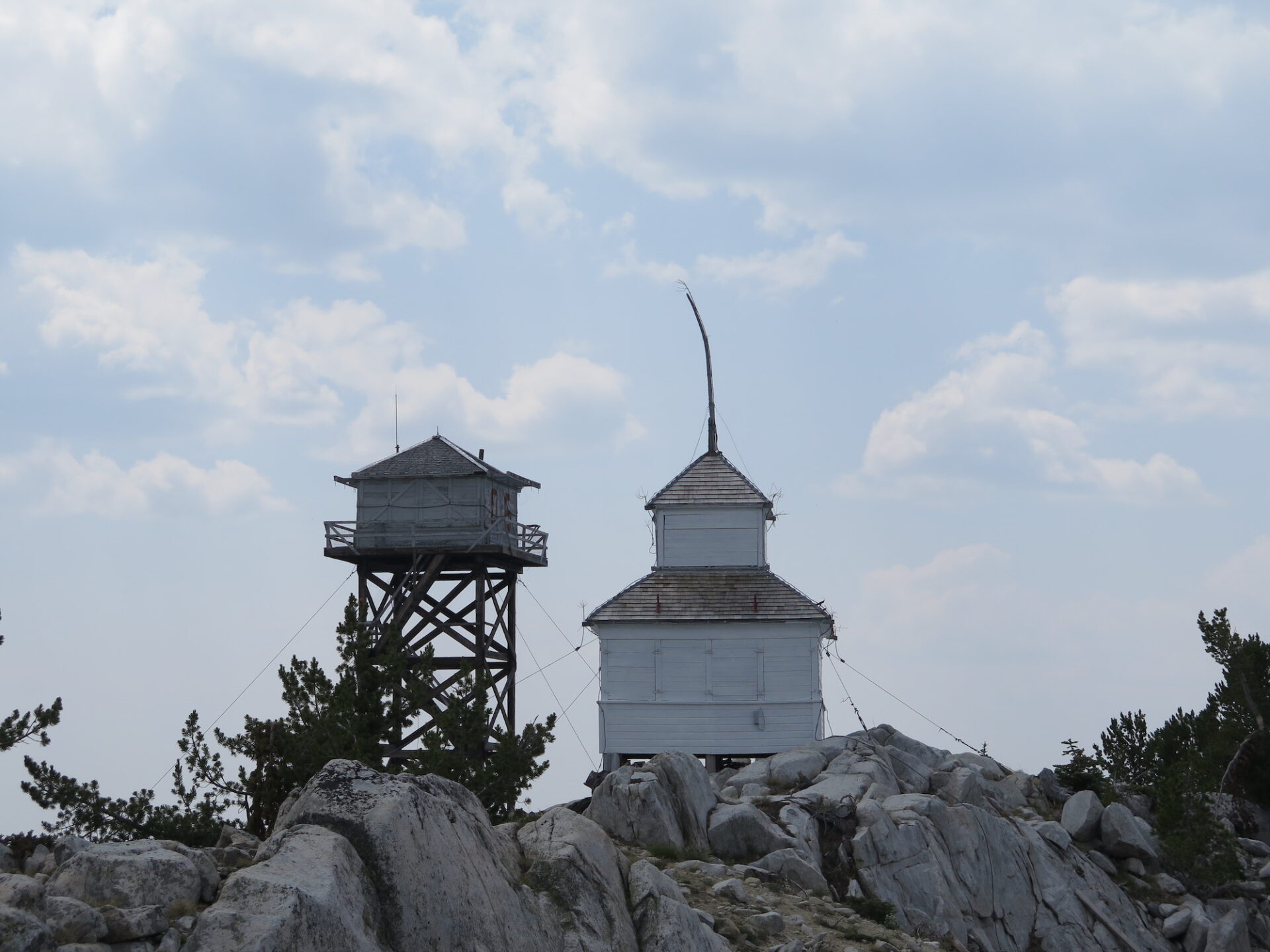
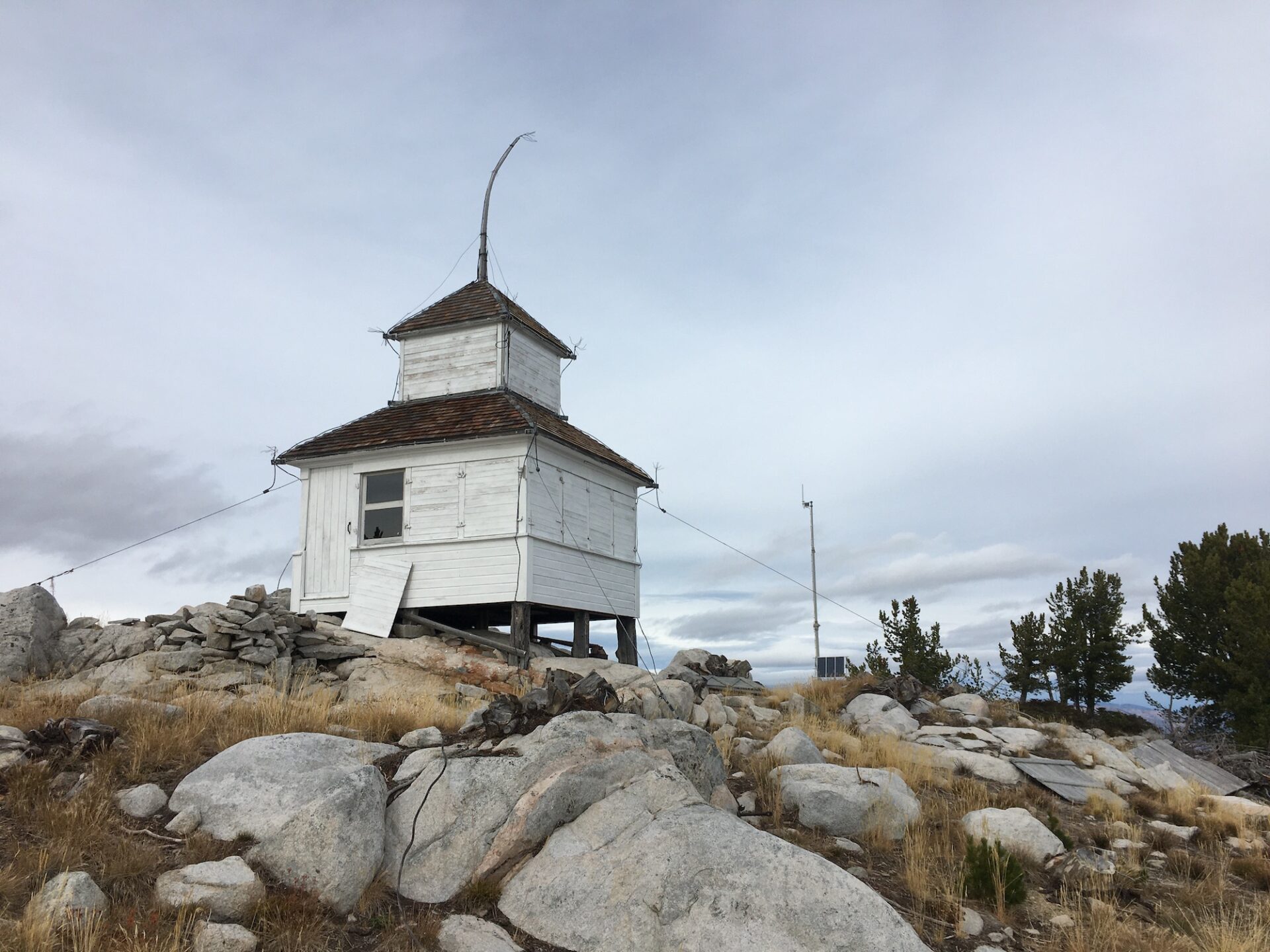
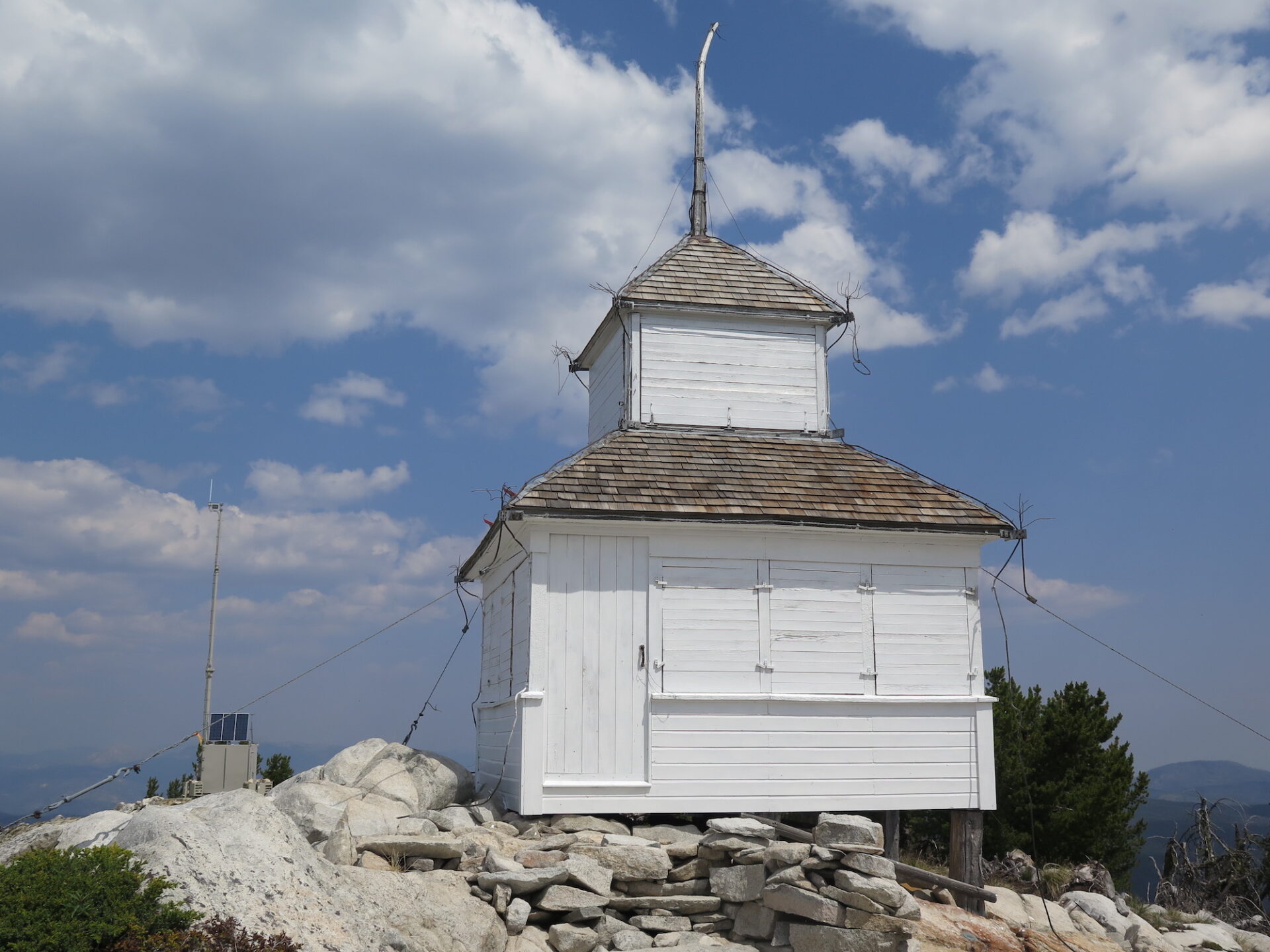
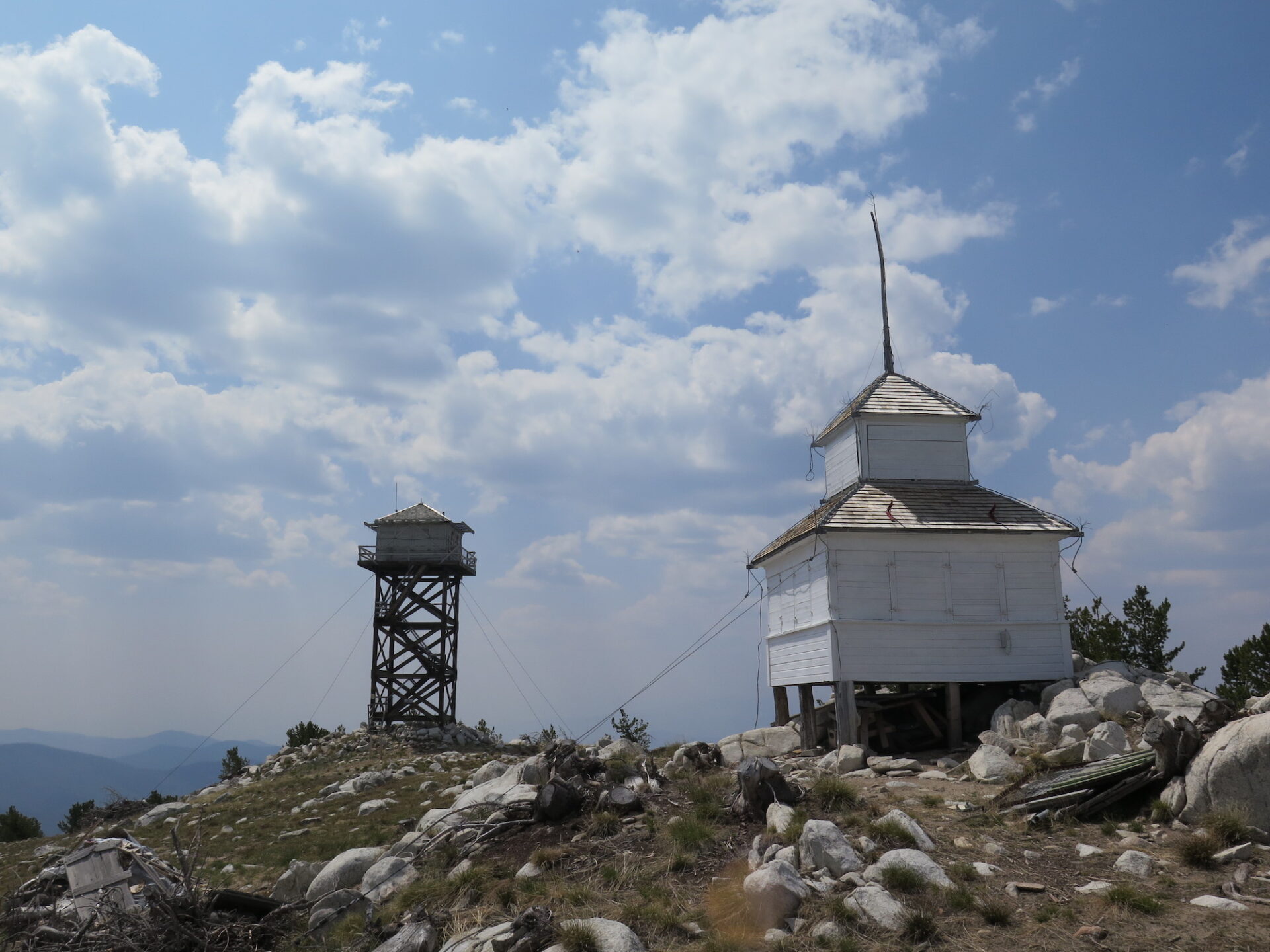
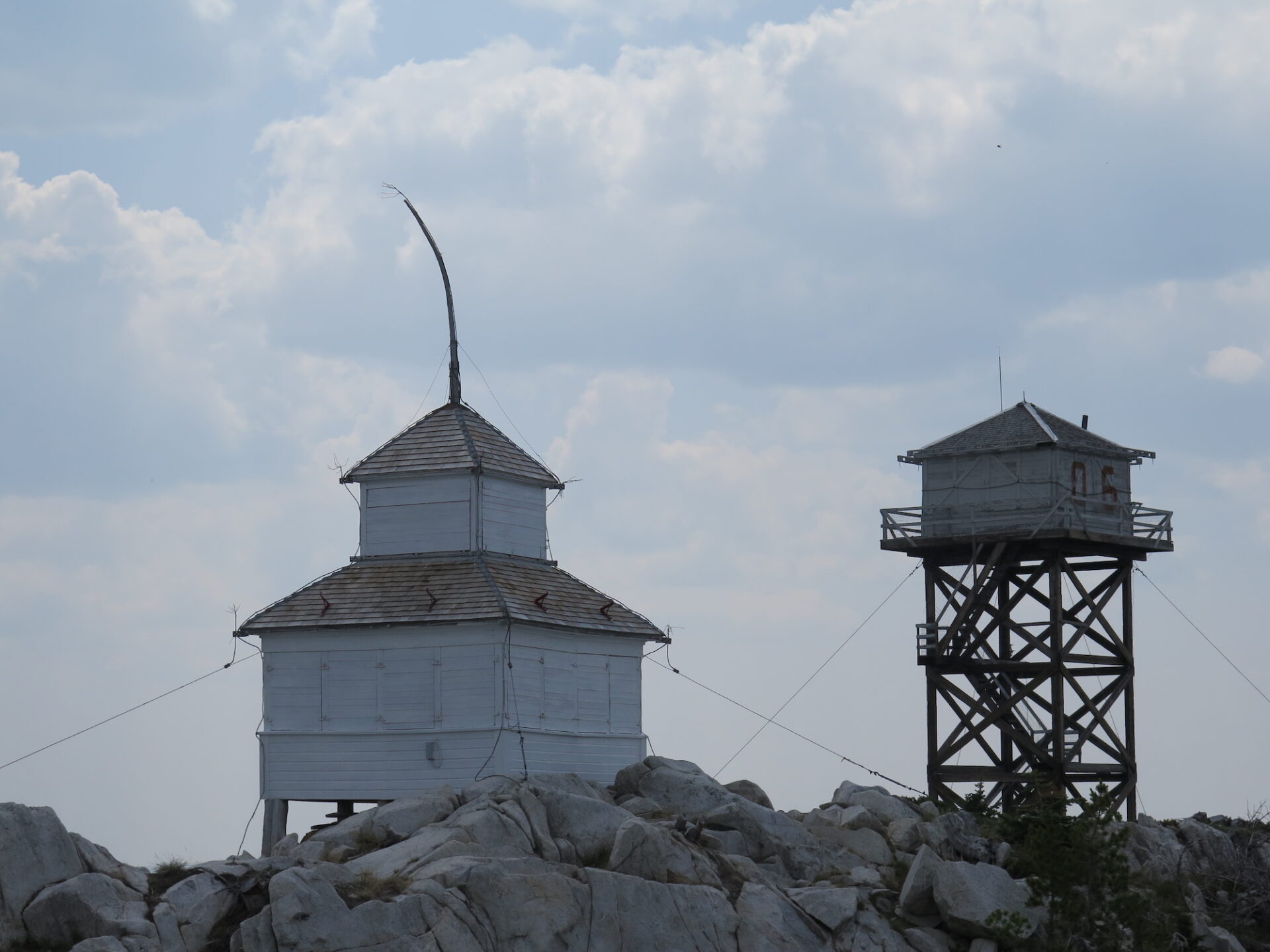
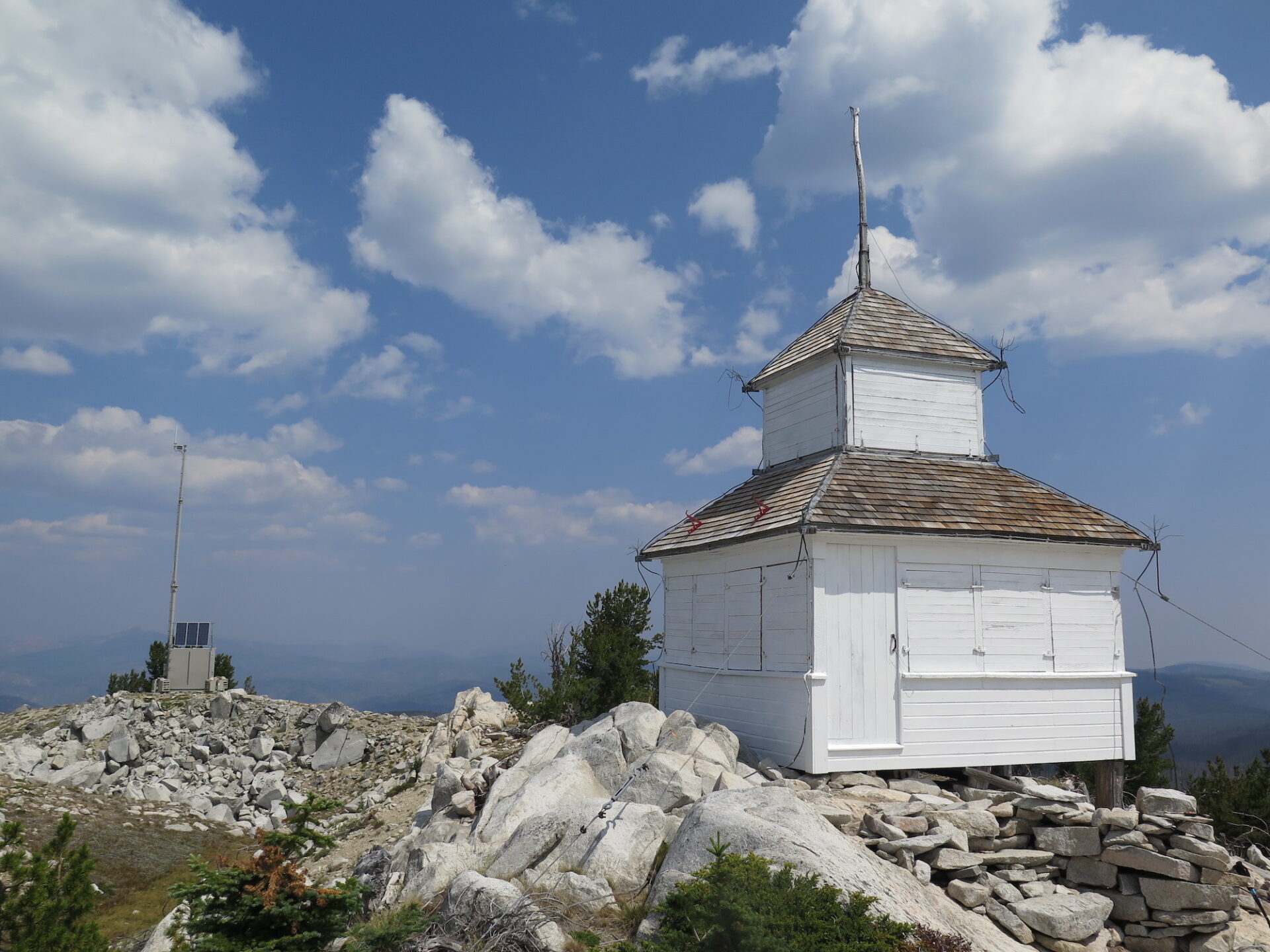
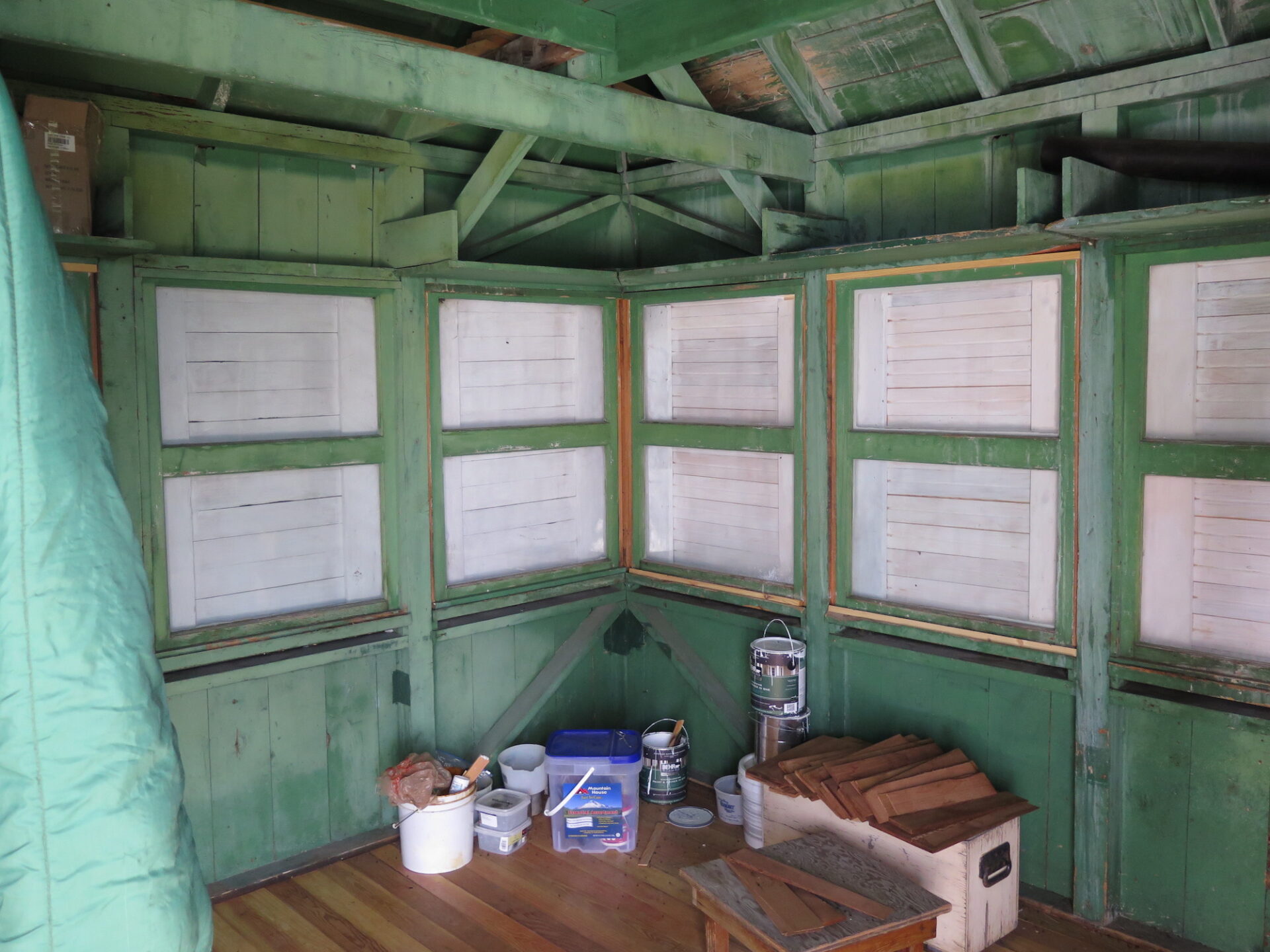
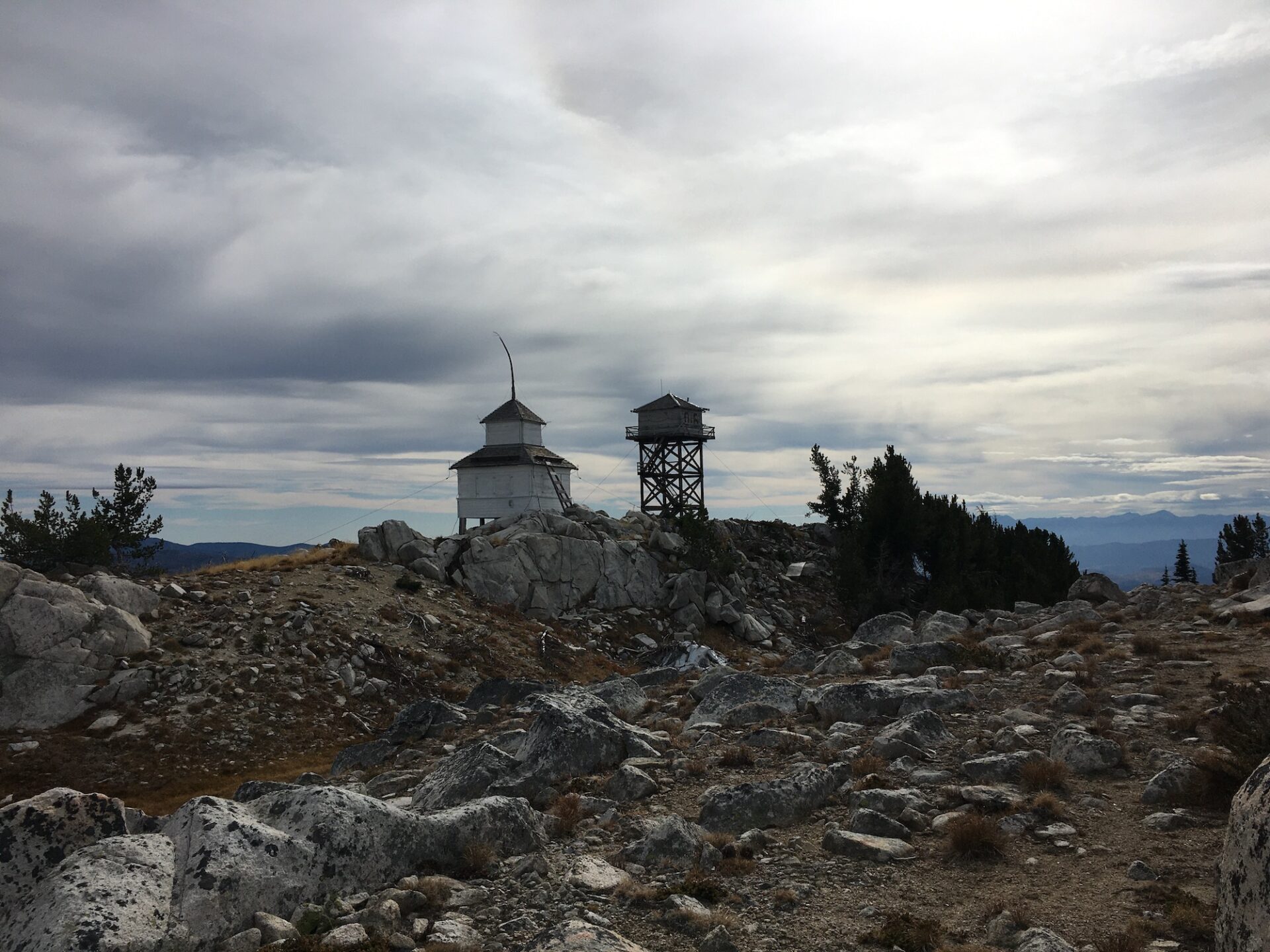
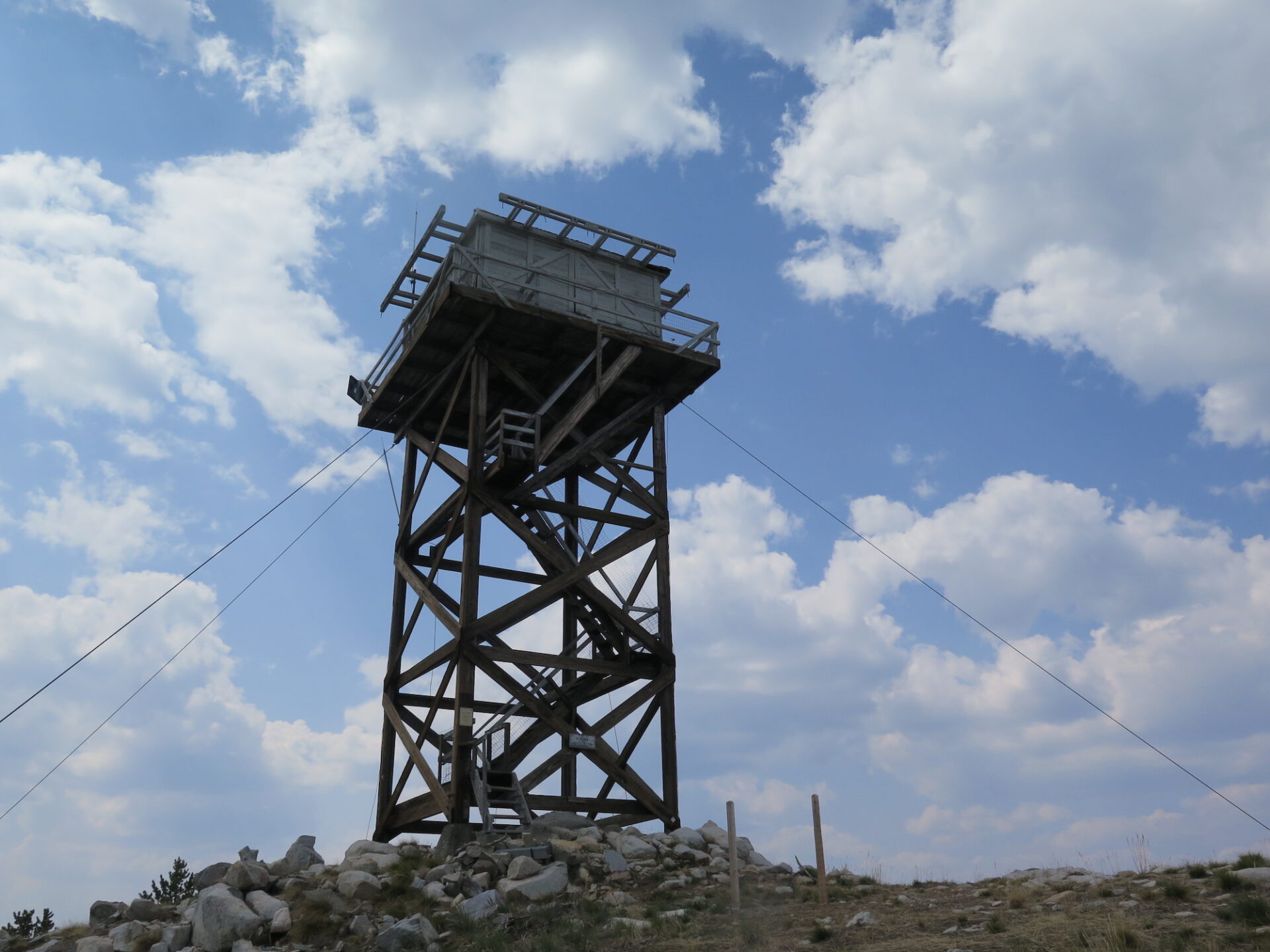
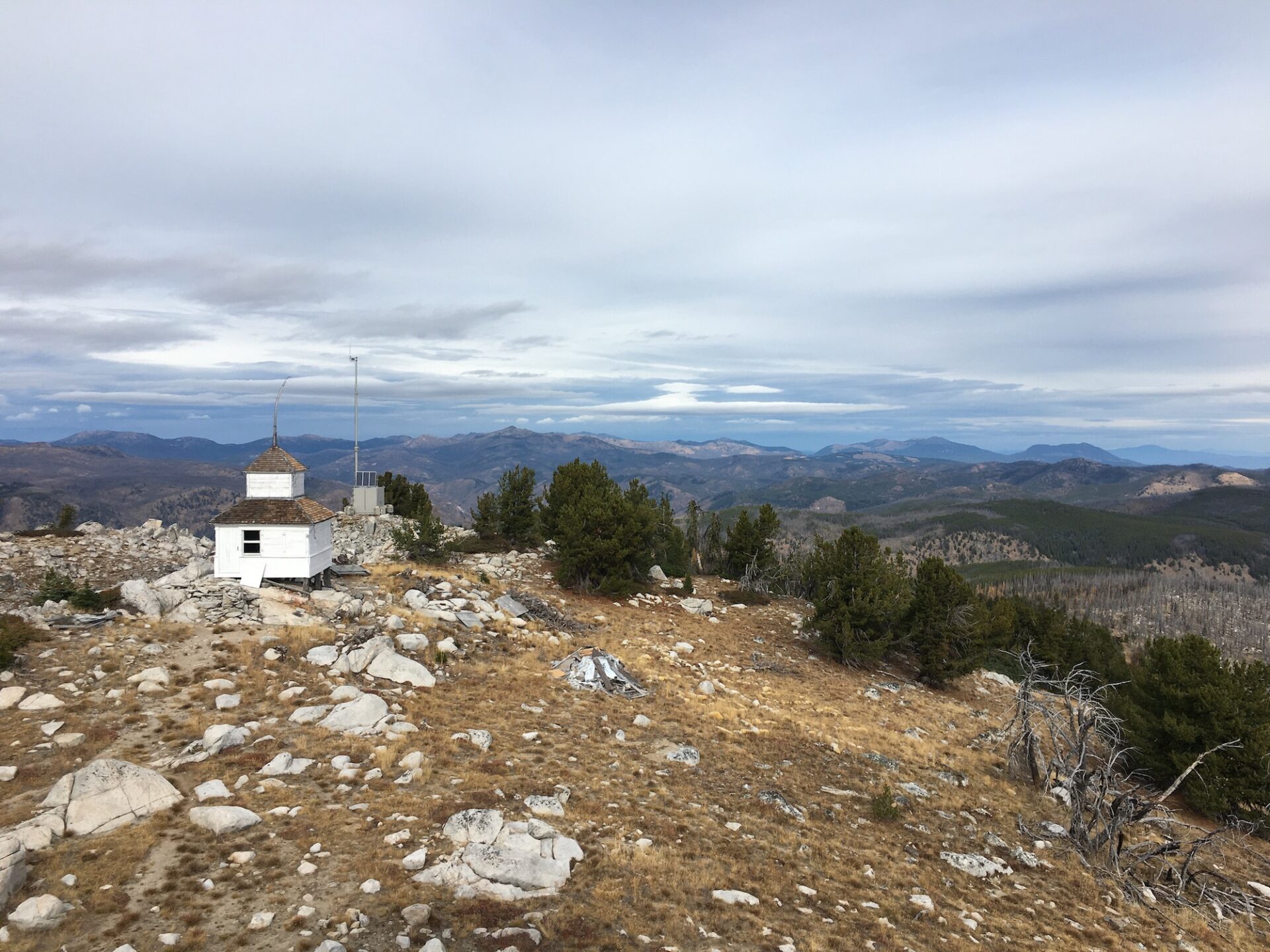
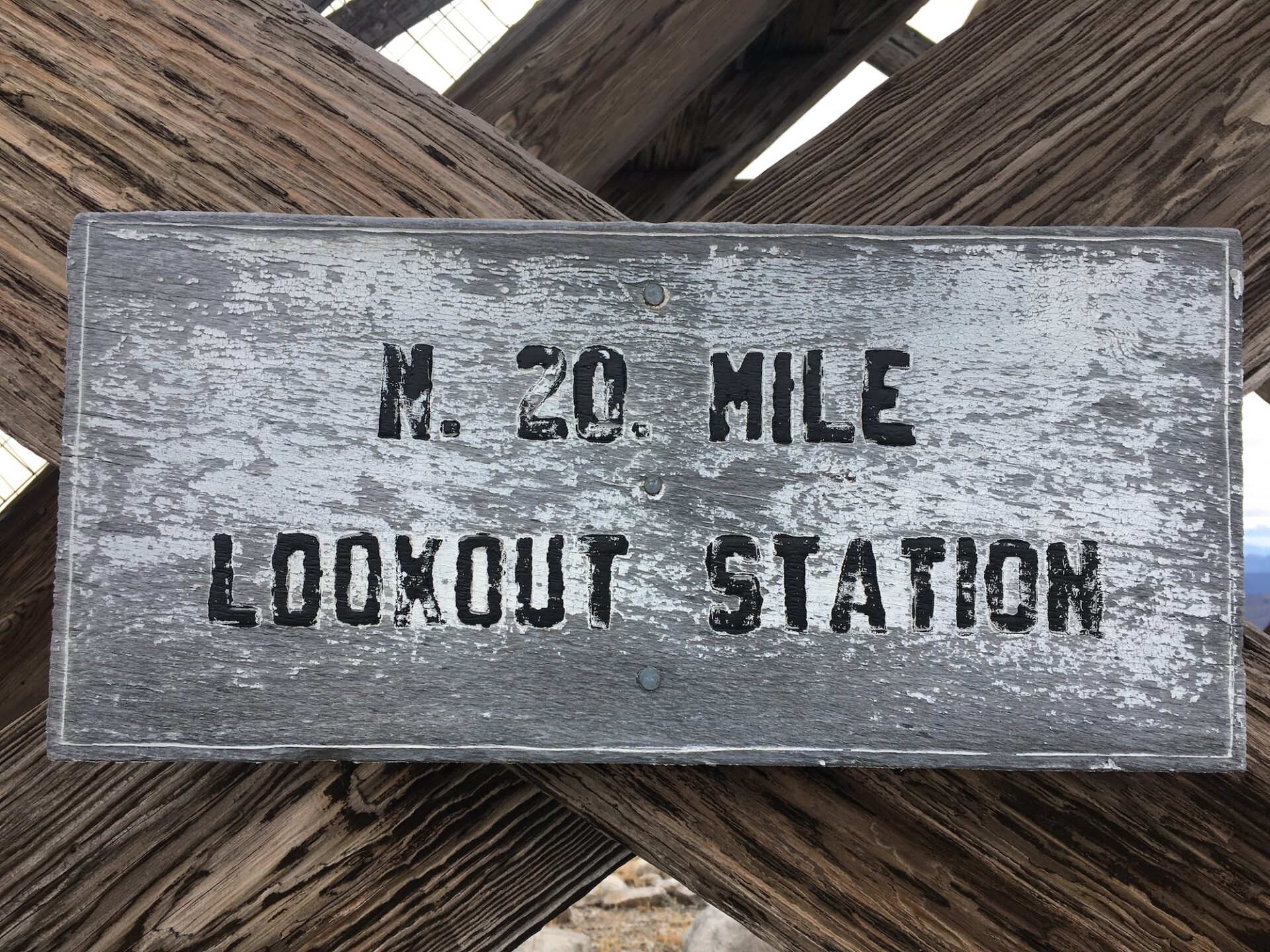
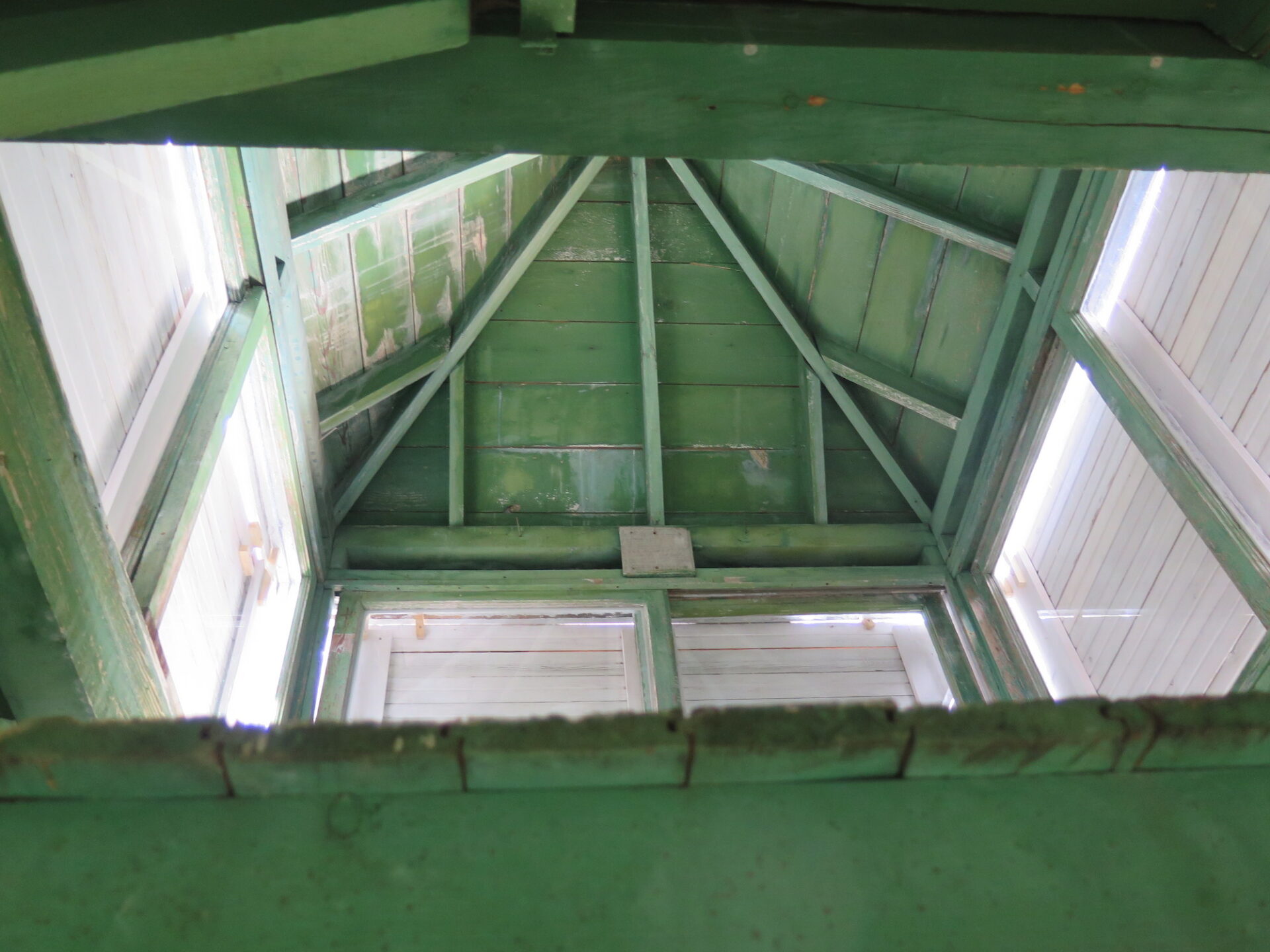
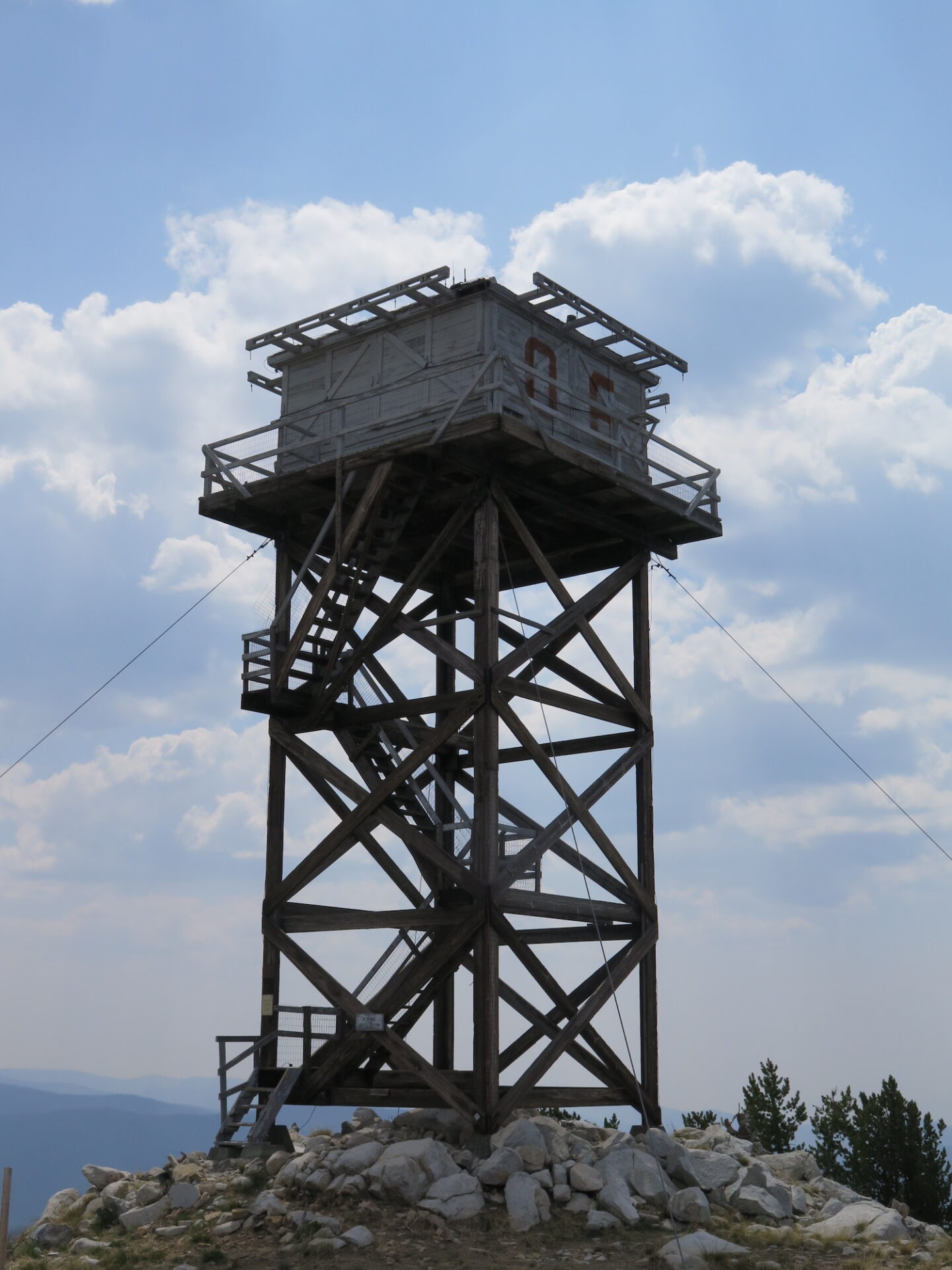
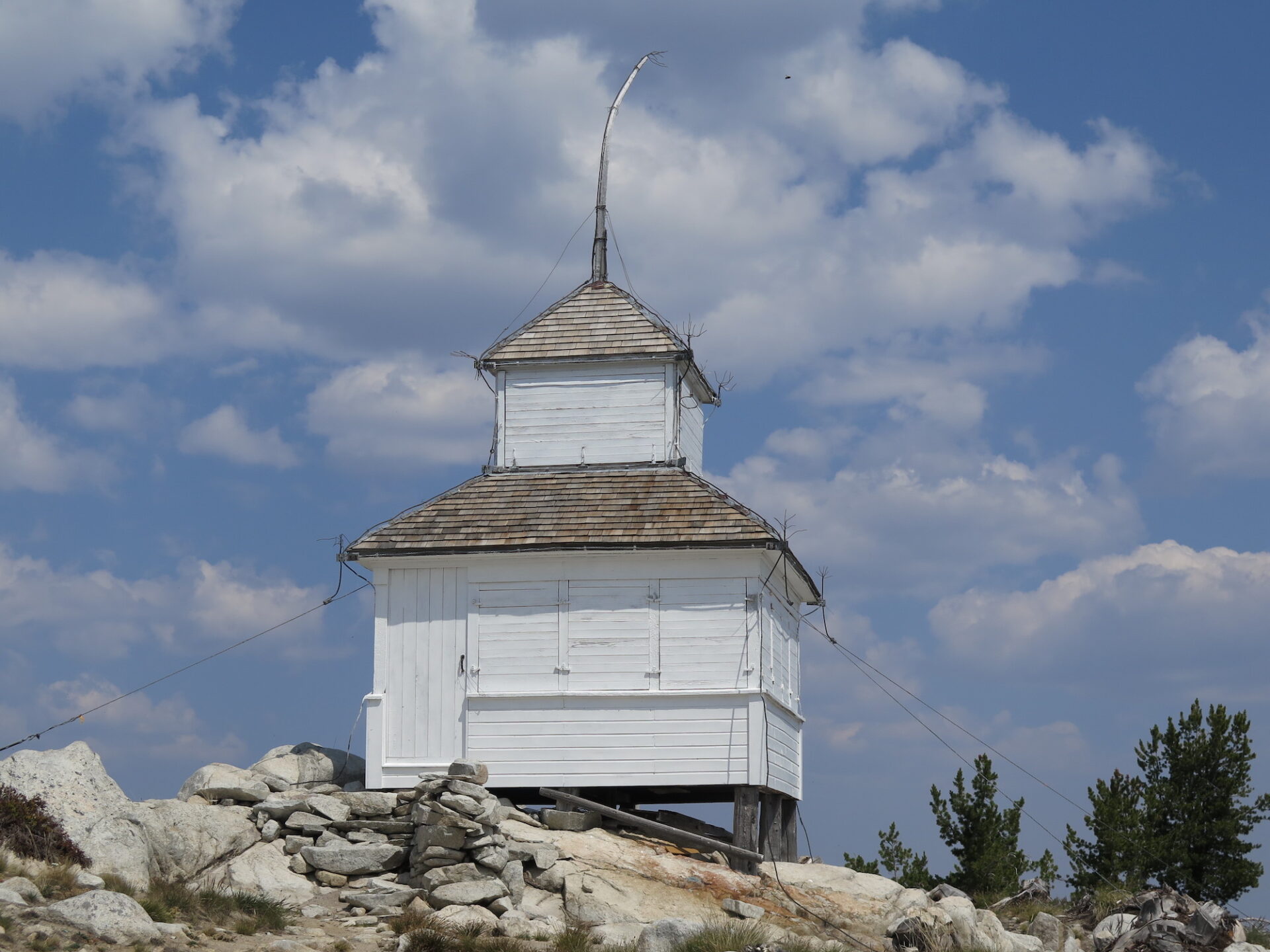
Photos from visits in 2018 and 2020.
History.
The North Twentymile lookout site was established sometime around 1920 with an old log cabin. It’s possible the site was established as a lookout camp prior to 1920. In the 1920s the Methow Valley Journel reported that the North Twentymile lookout was staffed by Gwen Creveling, married name Gwennie Yockey, who was one of the very few female lookouts in the United States. In 1923, the D-6 cupola was built and actively used until 1947, when the existing 30′ treated timber L-4 tower was constructed. North Twentymile was last actively staffed in 1988 and is still sometimes used as an emergency lookout.
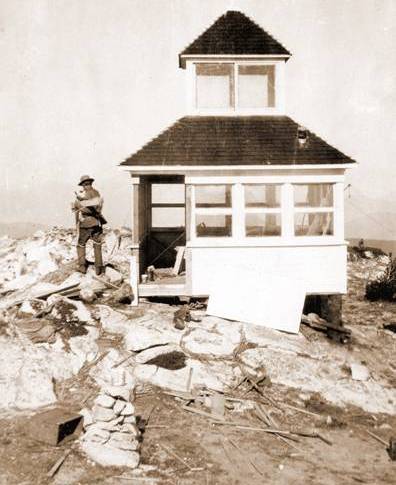
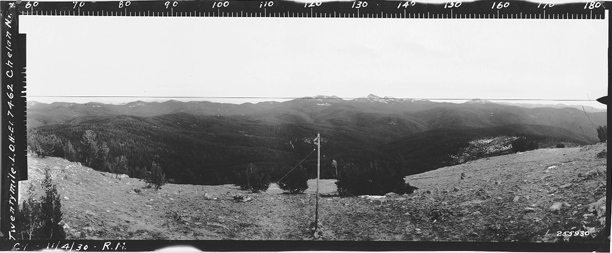
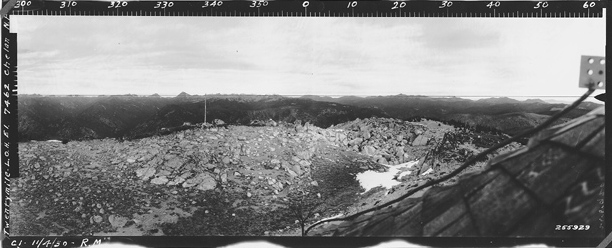
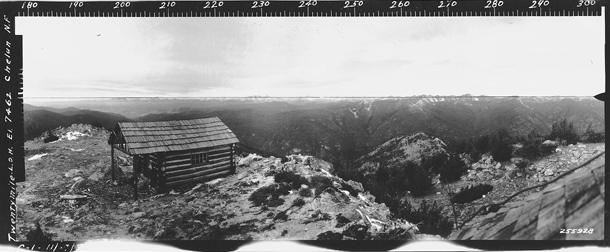
D-6 cupola restoration.
In 2015, Bob Pfeiffer, a retired WDFW fish biologist, FFLA member, and avid outdoorsman, began a restoration project on North Twentymile’s rare D-6 cupola. The project would take tremendous time, effort, and Bob’s own money. Funding came from $3,000 out of Bob’s pocket, $1,000 from the FFLA, and $500 from the Chuck Butler Memorial Fund and the Fire Lookout Museum.
The renovation project lasted about a year and Bob was clever and resourceful when it came to getting the job done. North Cascades Smokejumper Base Manager Darren Belsby was able to coordinate a helicopter drop and long-line of supplies to N20 as a training mission that also coincided with the USFS radio tech’s annual service of the communications site on the mountaintop.
The restoration of North Twentymile was nearing completion in 2015 thanks to the dedication of Bob Pfeiffer, a retired fish biologist, Forest Fire Lookout Association member, and the driving force behind the project. Bob secured funding, contributed significant personal resources, and spent years helping preserve one of the last surviving D-6 cupolas in the Pacific Northwest. Following Bob’s passing in August 2015, his son Eric, carpenter Tony Holan, and other volunteers completed the restoration in his honor. Today, the North Twentymile cupola is considered by many to be one of the most faithful restorations of a D-6 lookout remaining anywhere in the Northwest. It is one of the last surviving D-6 cupolas and the only remaining example in Washington State.
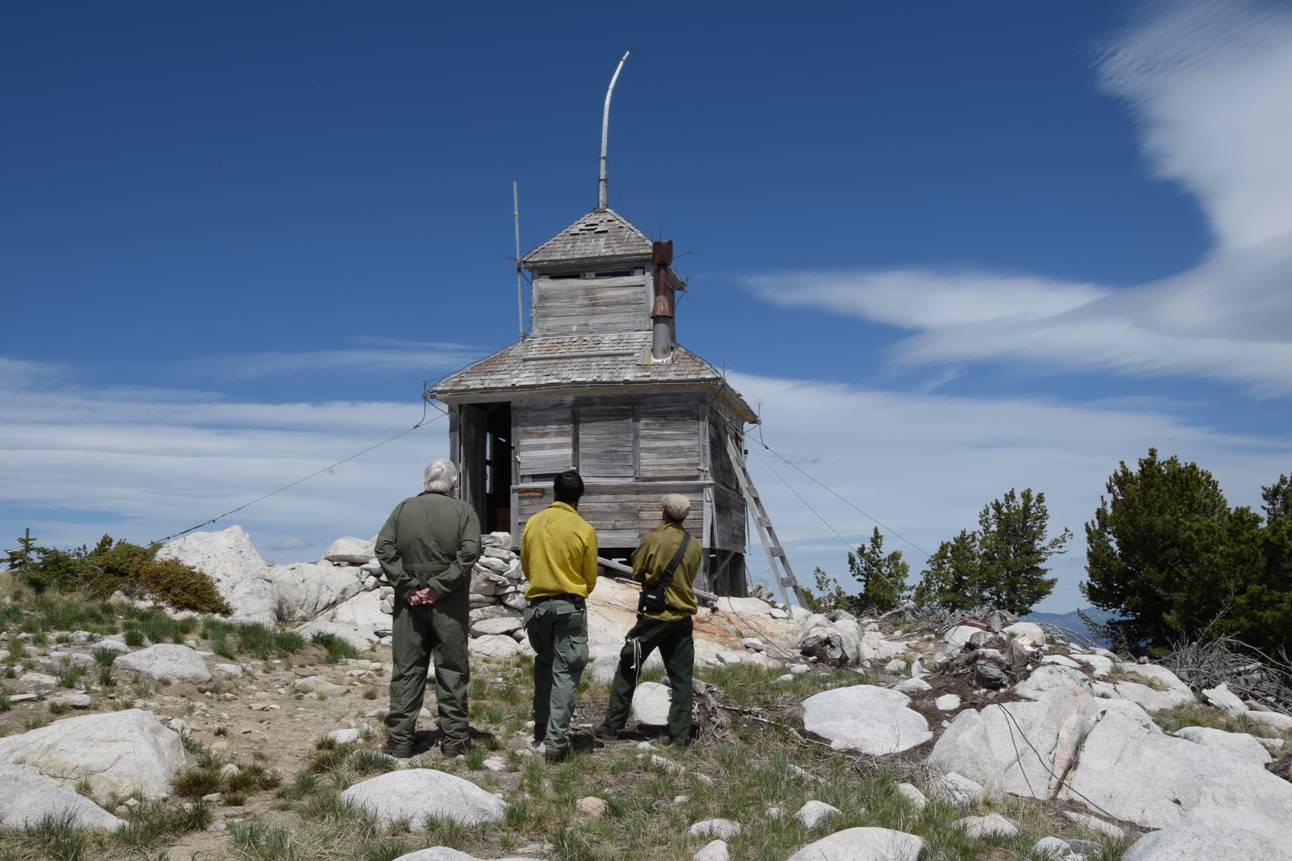
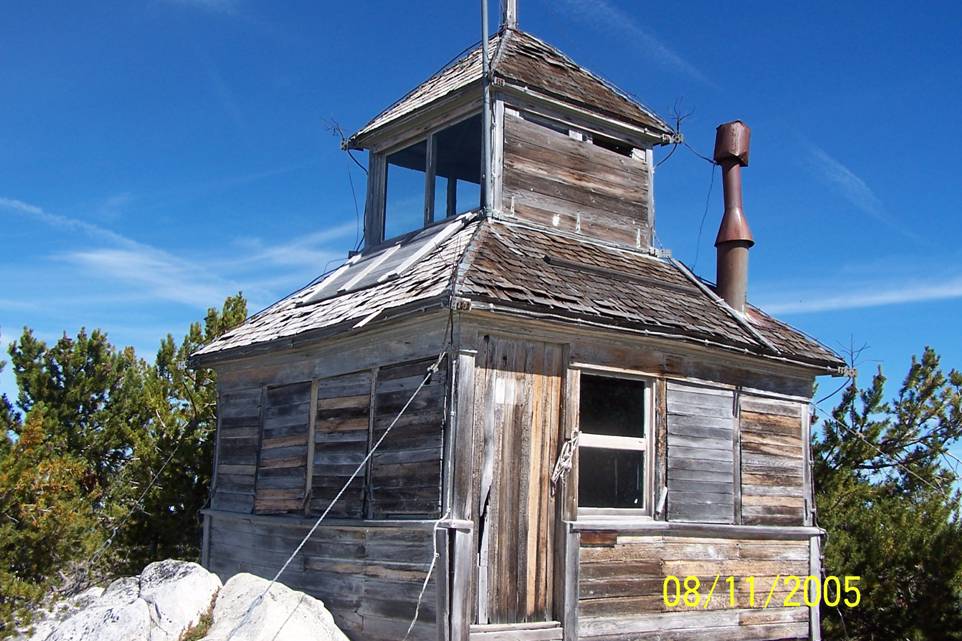
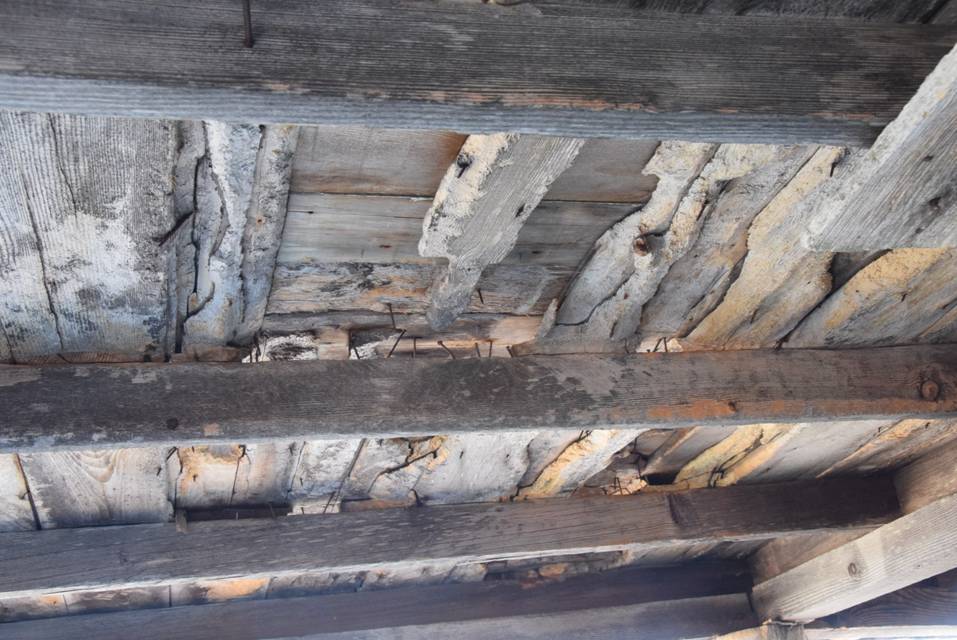
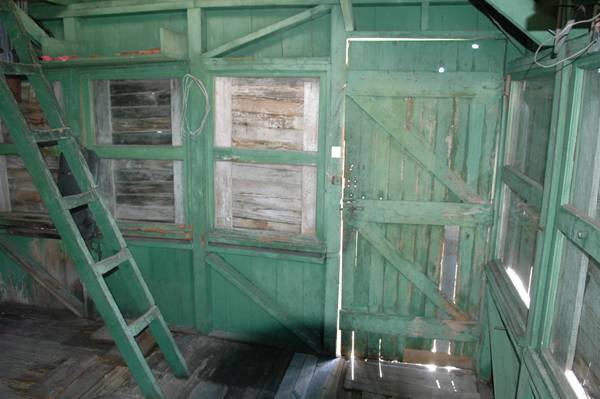
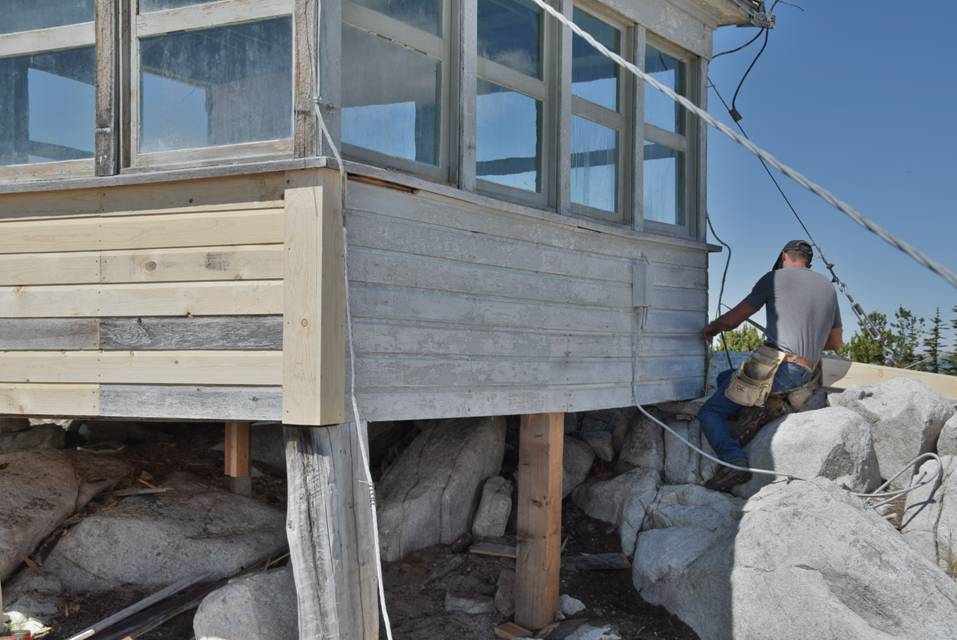
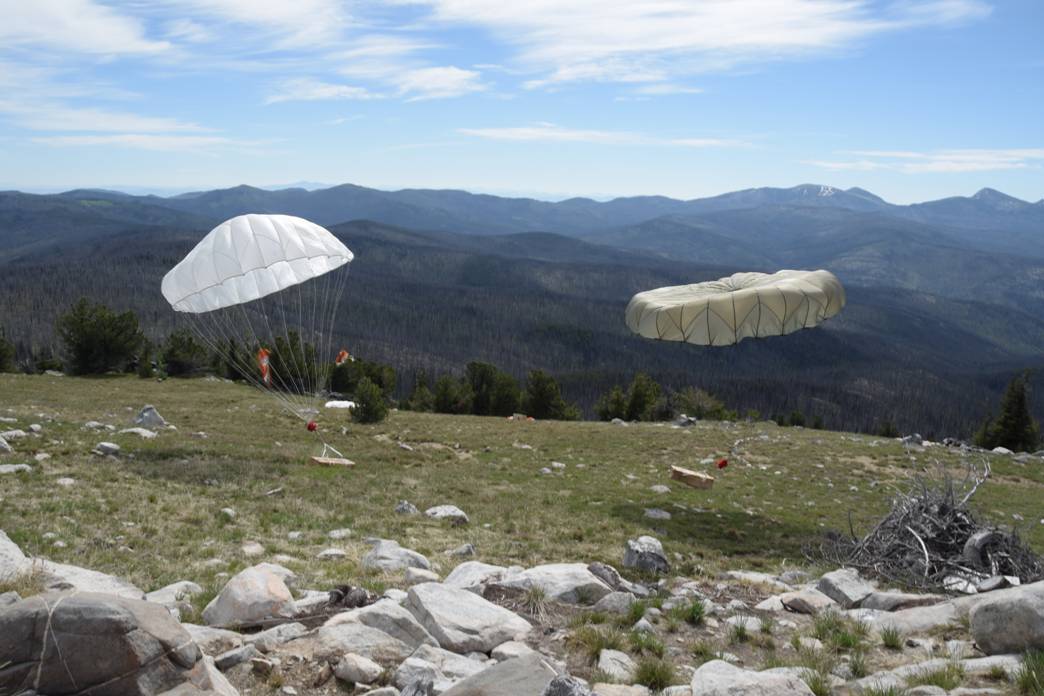
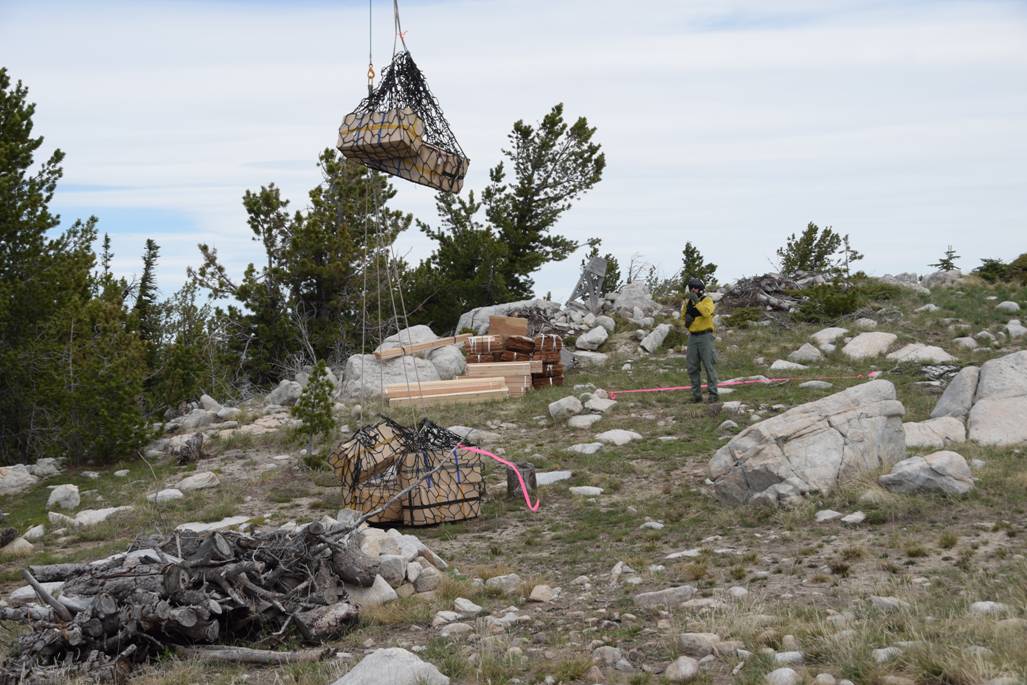
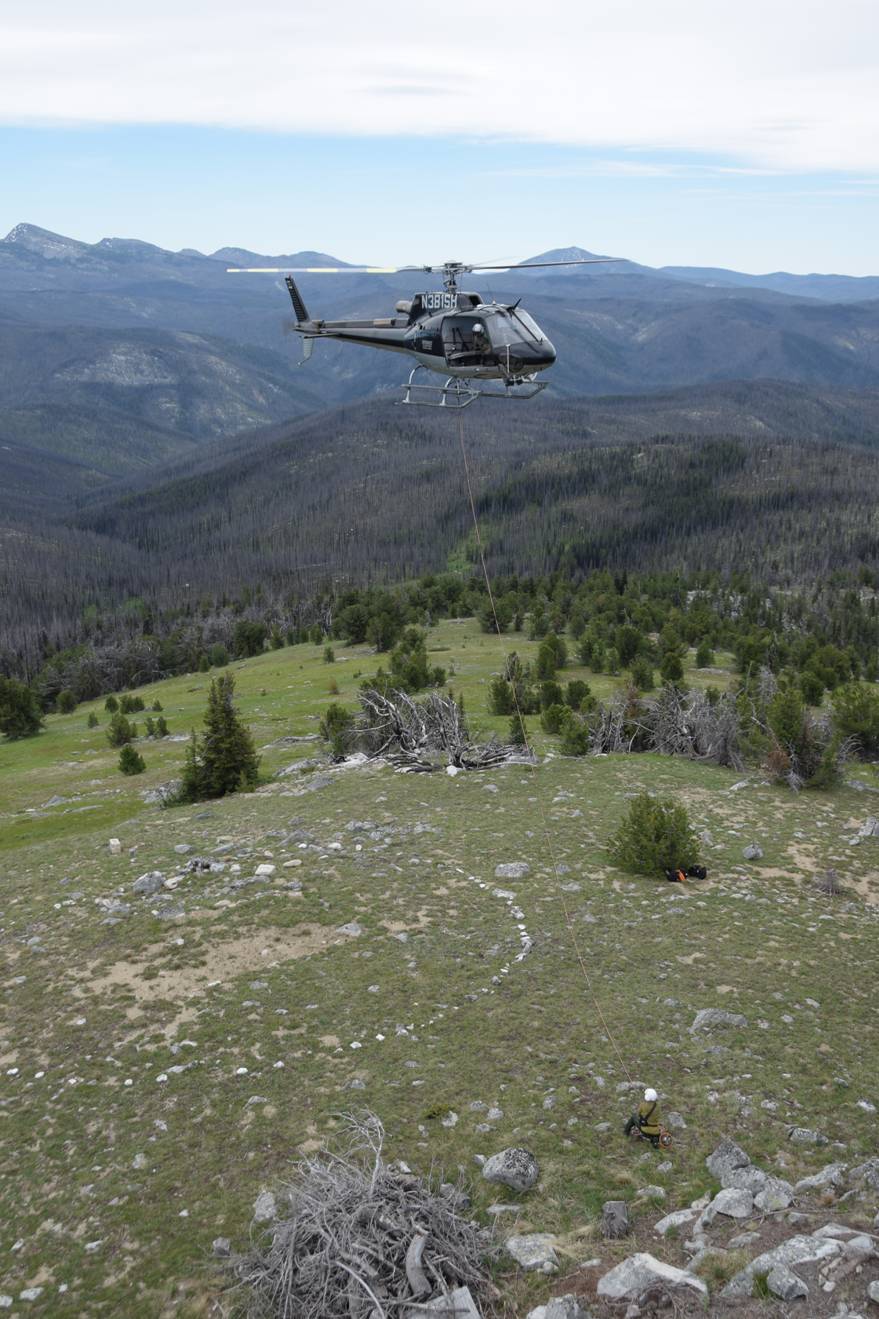
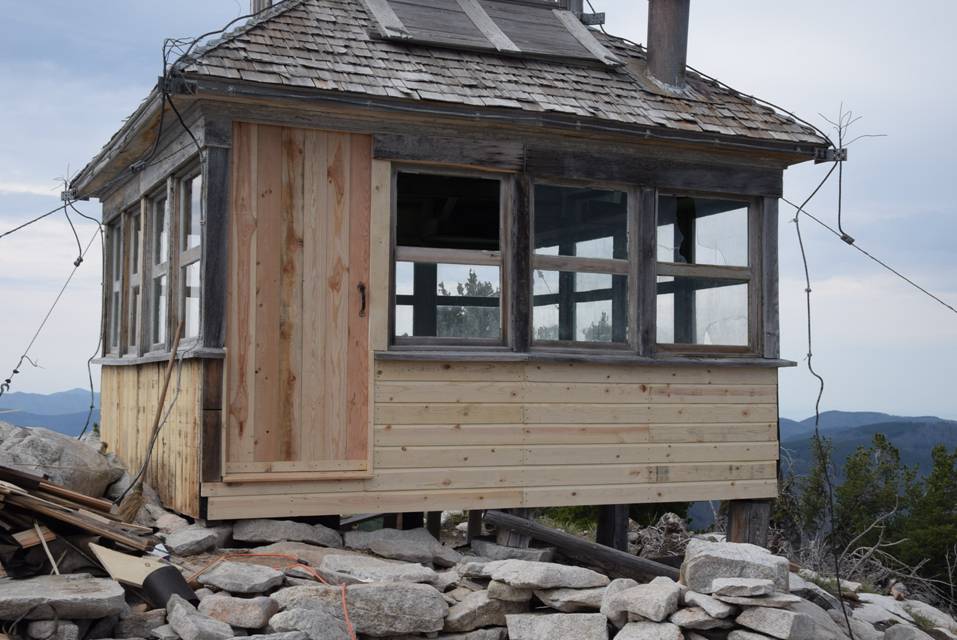
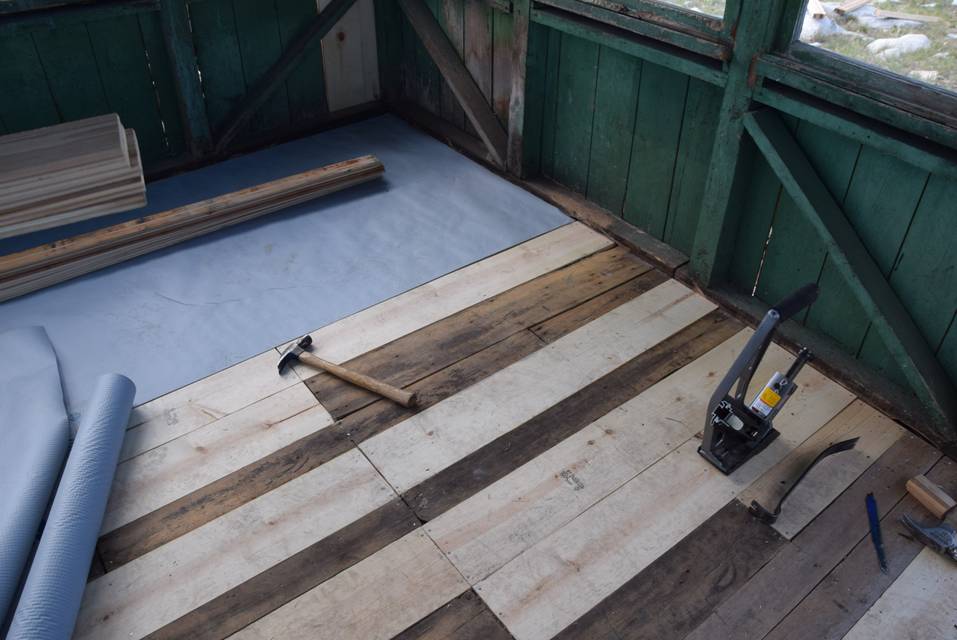
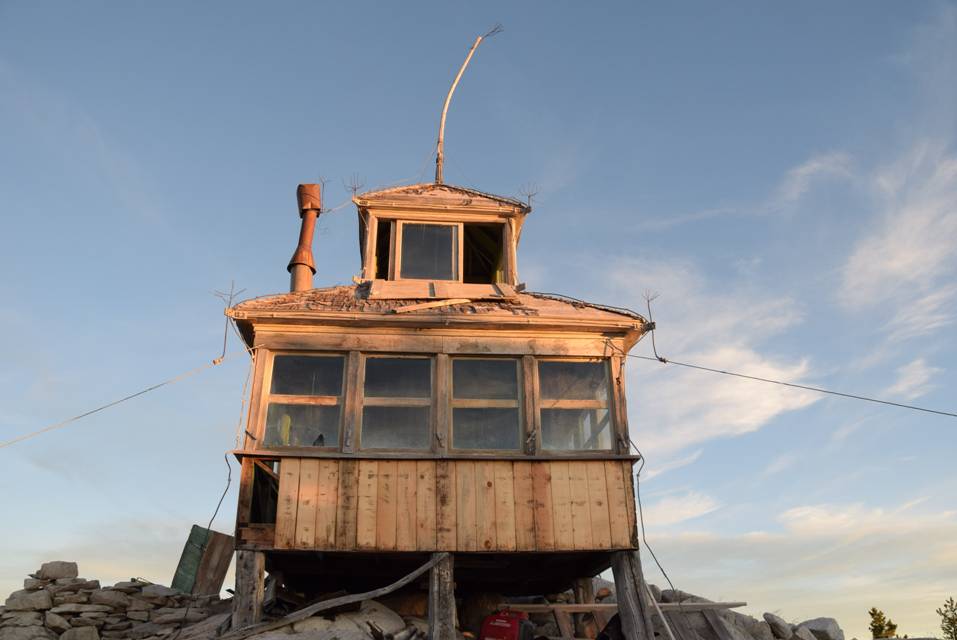
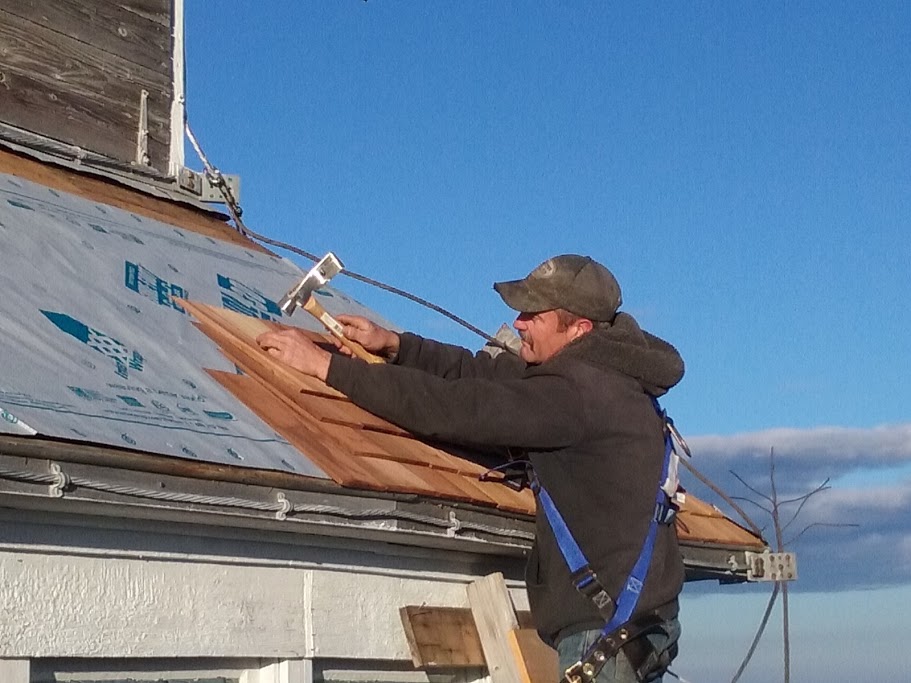
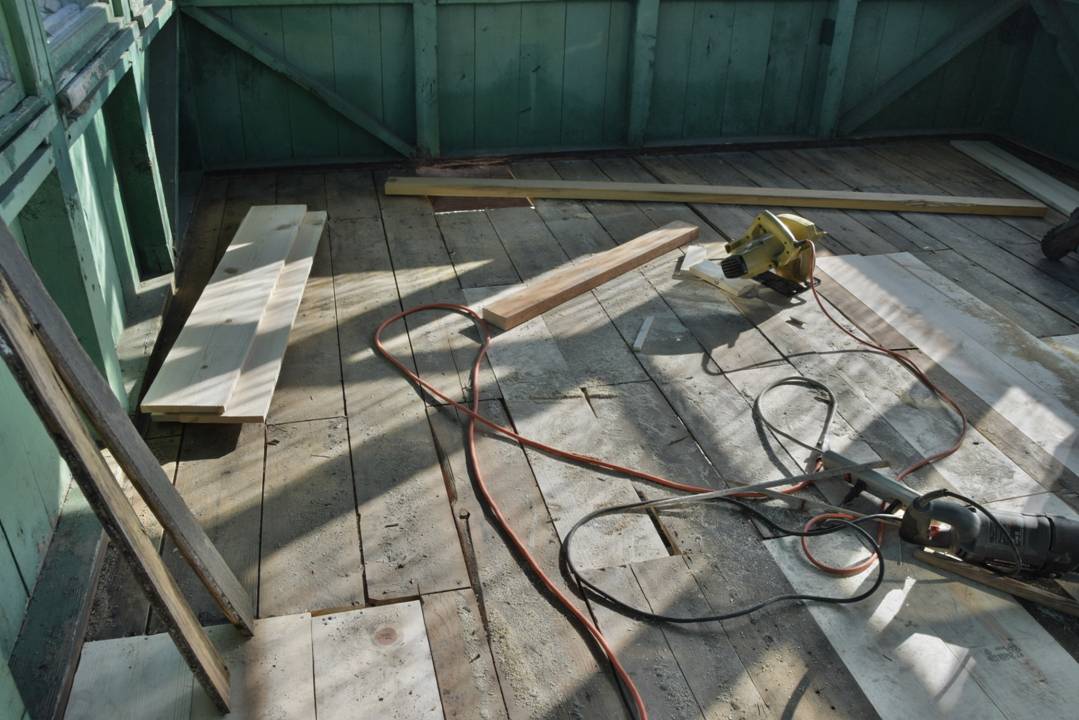
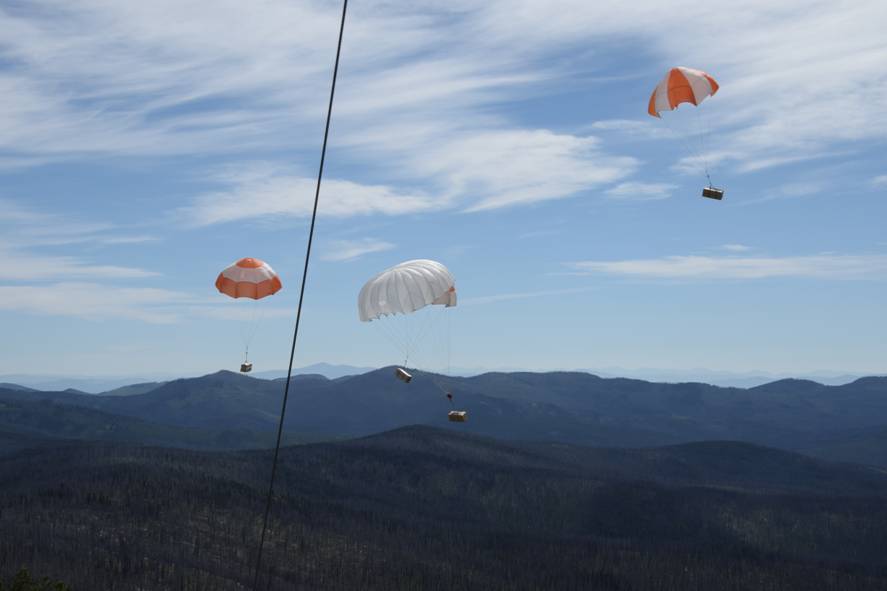
Bob’s photos from the restoration of North Twentymile’s D-6 cupola were provided thanks to Ray Kresek and the Fire Lookout Museum.
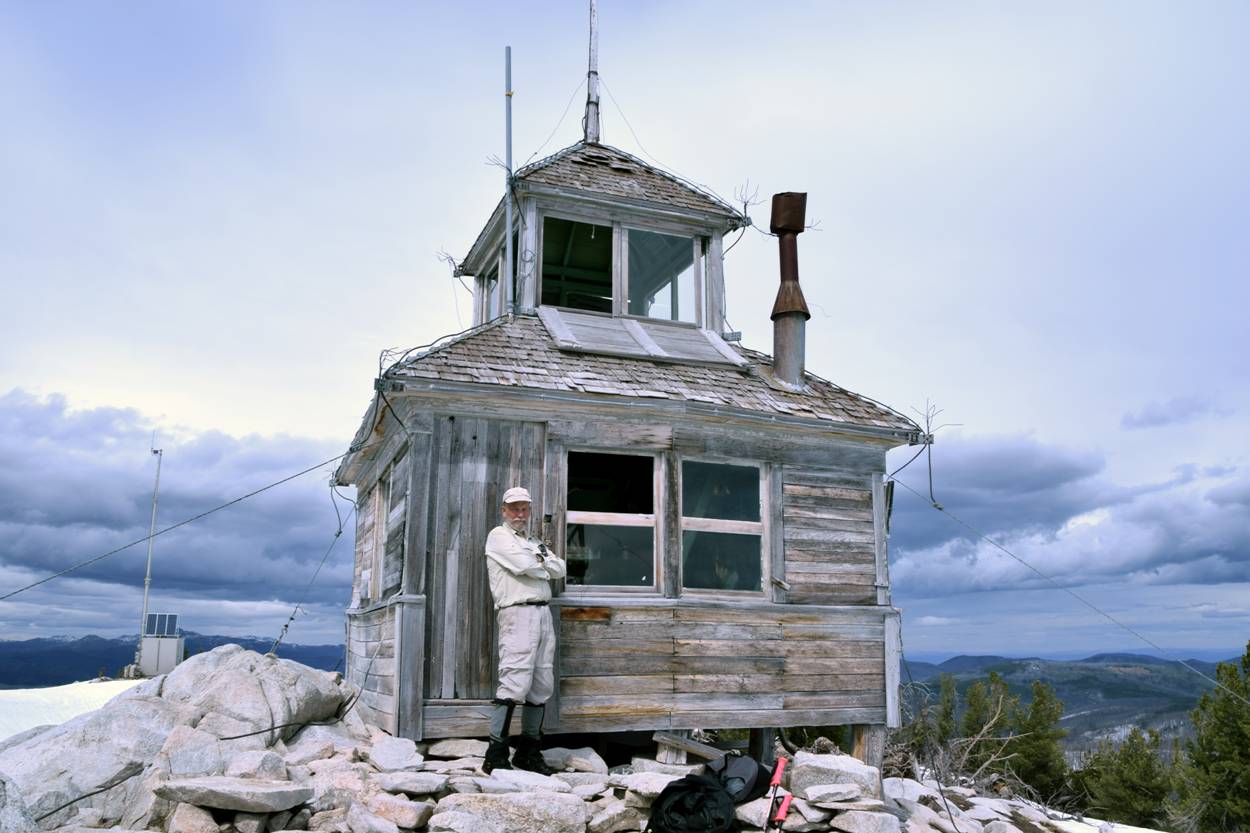
Visiting North Twentymile.
When I finally visited the North Twentymile fire lookout in July 2018 after four failed attempts, the adventure definitely fell under the character building category of fun. I will forever remember North Twentymile because it took more attempts to reach than any other fire lookout (five to be successful) and I finally got there after spending 7 hours hiking nearly 14 miles in triple digit temps.
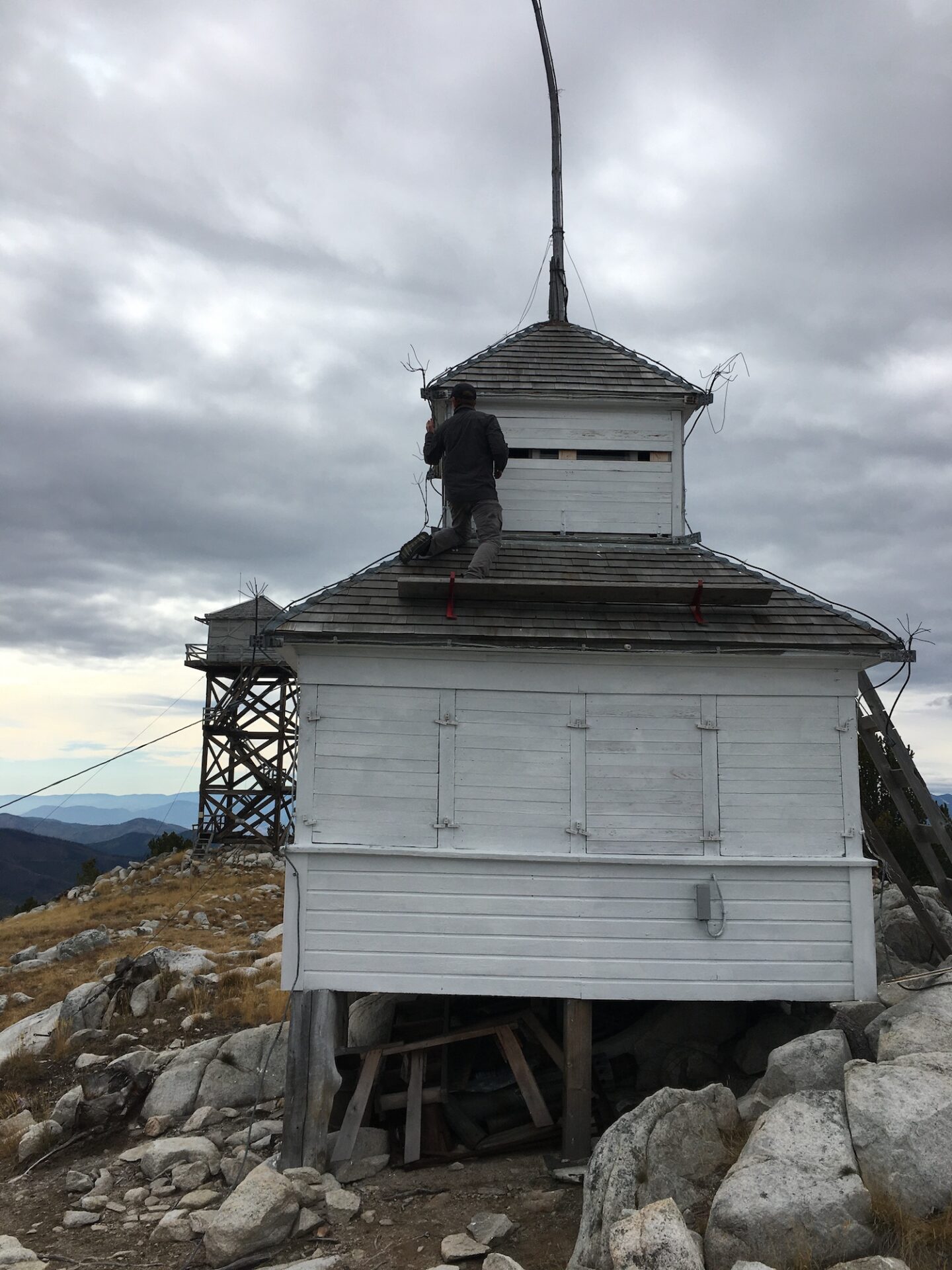
Since my trip in 2018 I moved back to the Methow Valley and with North Twentymile in my very own backyard, I stepped in as a steward to adopt the lookout site. I returned in October 2020 to fix some broken shutter slats and button up the cupola for winter and hope to do continued work parties to maintain this unique and cherished lookout site.
2021 Cub Creek fire.
I’ve been working with the Methow Valley Ranger District to help maintain many of our local lookouts and this past summer I had planned to partner with retired District Ranger Mike Liu to get an airdrop of materials to N20 for roof repairs to the L-4 cab and painting of the D-6 cupola. Mike spent a lot of time this spring doing work to clear the trail and I myself even went up to do some trail brushing. Unfortunately, two days before our planned work party, the Cub Creek 2 fire started and closed access up the Chewuch.
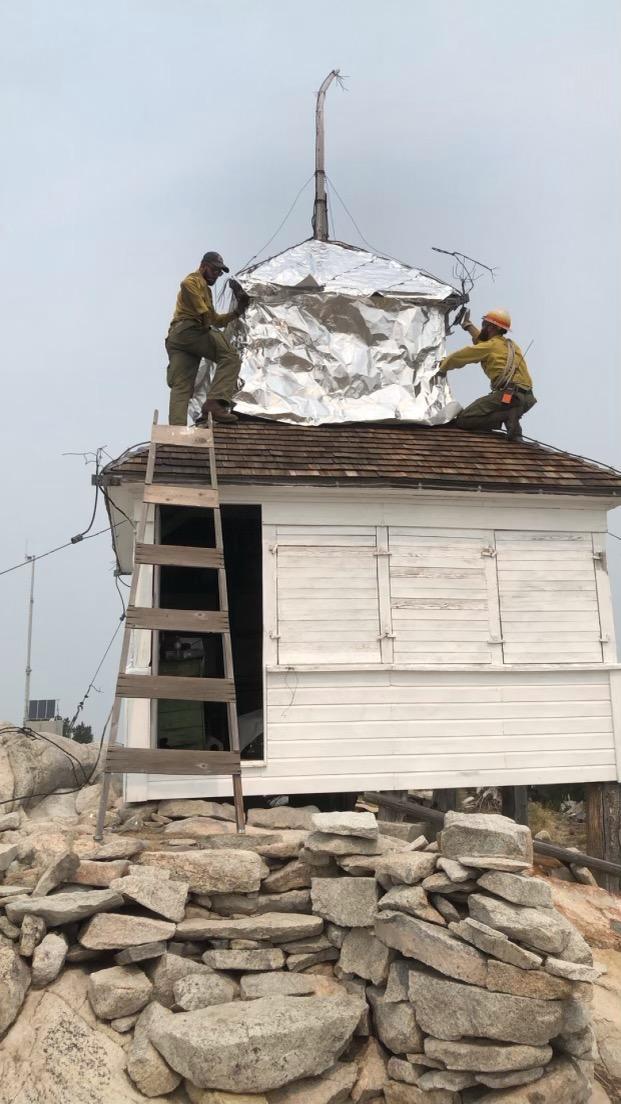
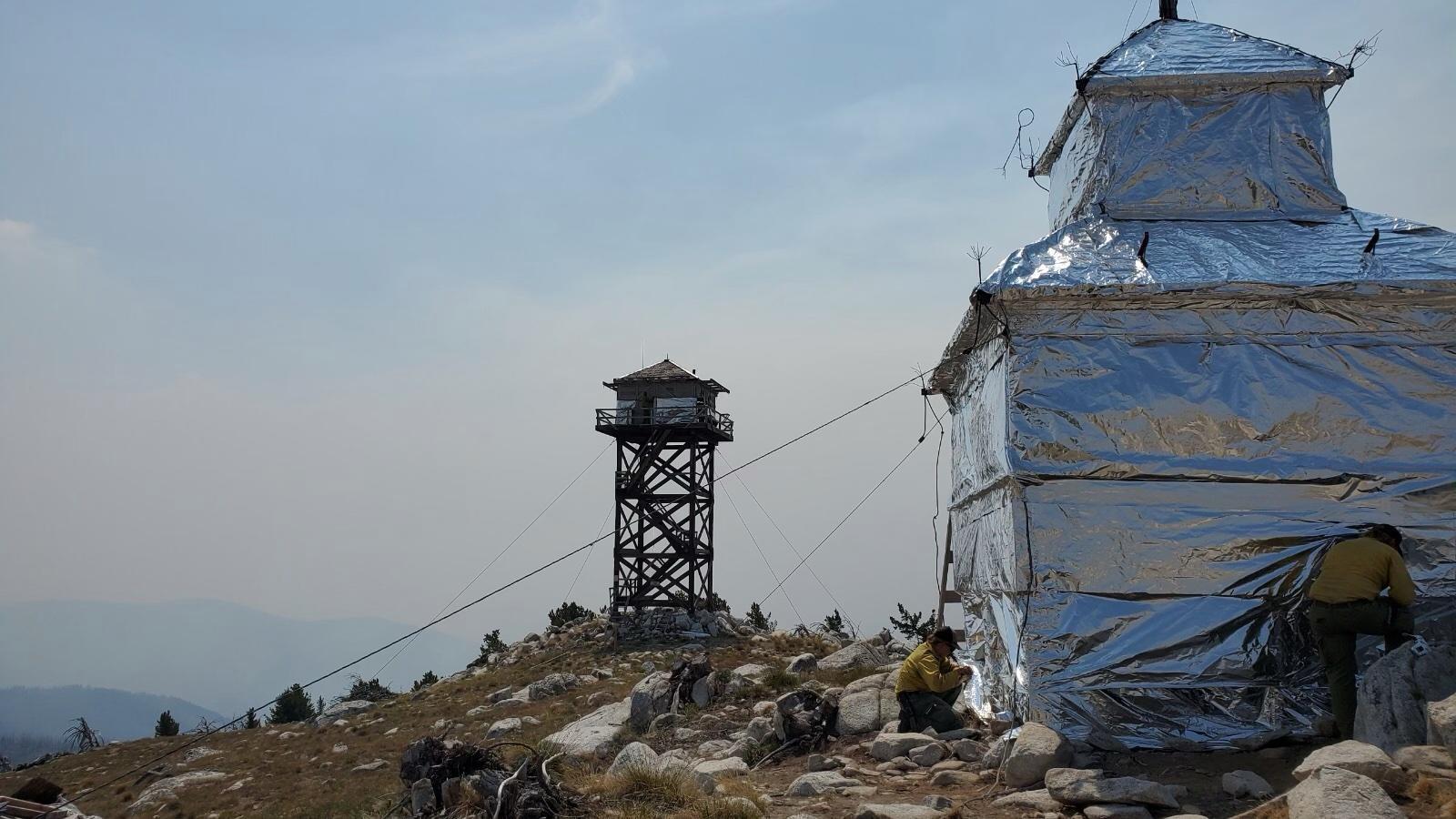
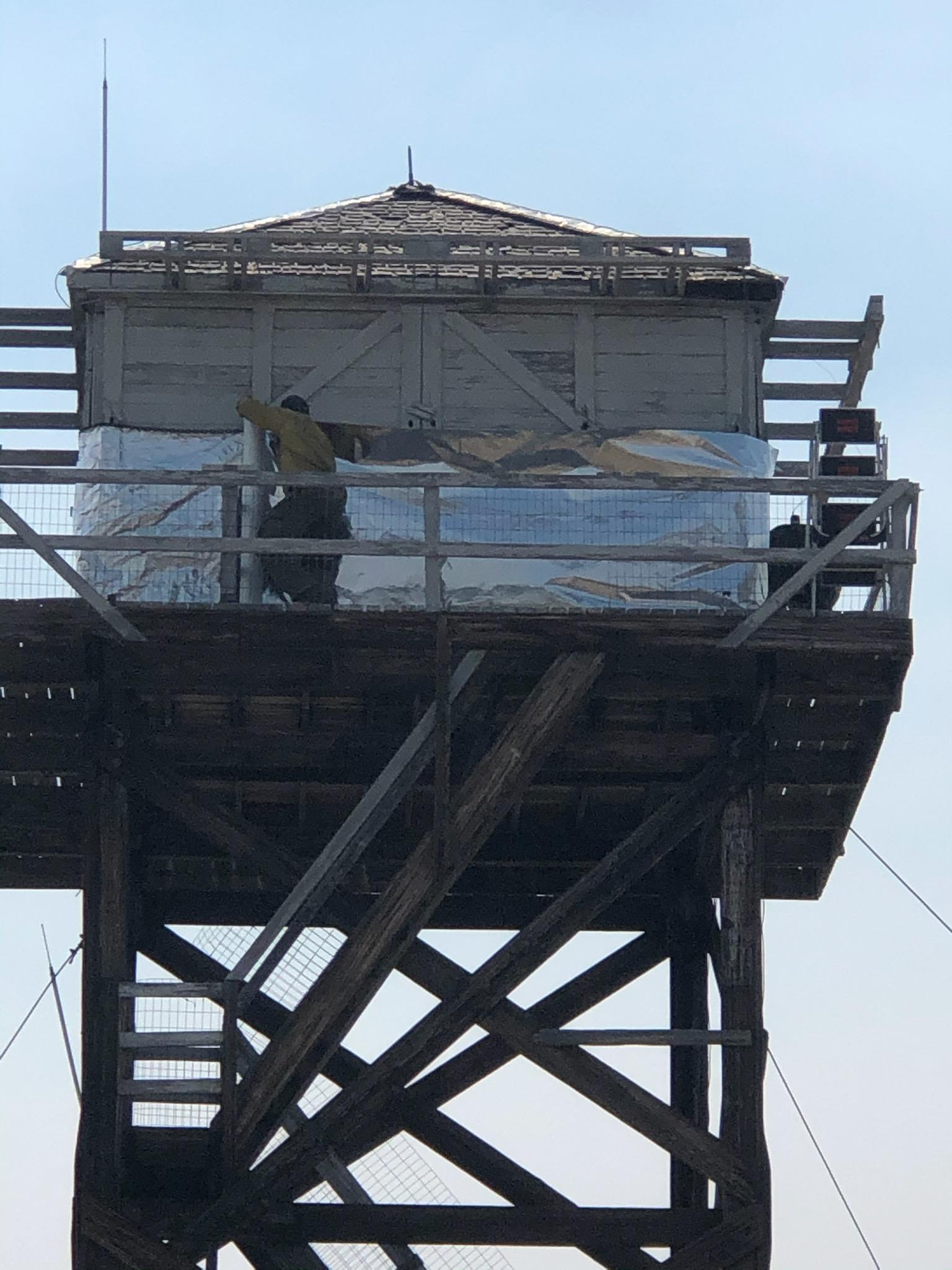
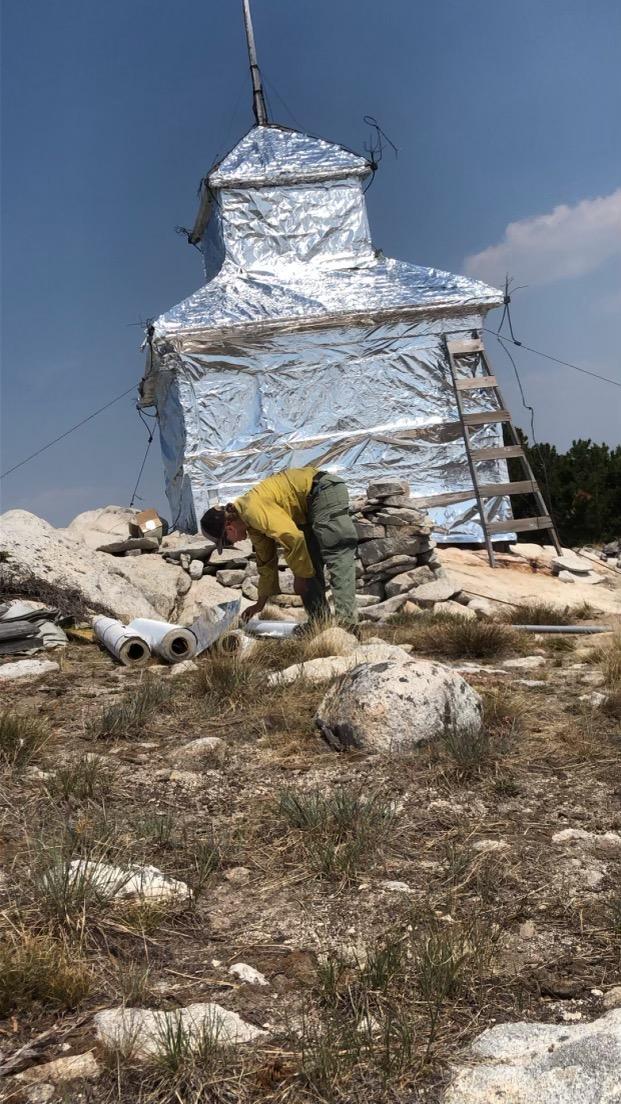
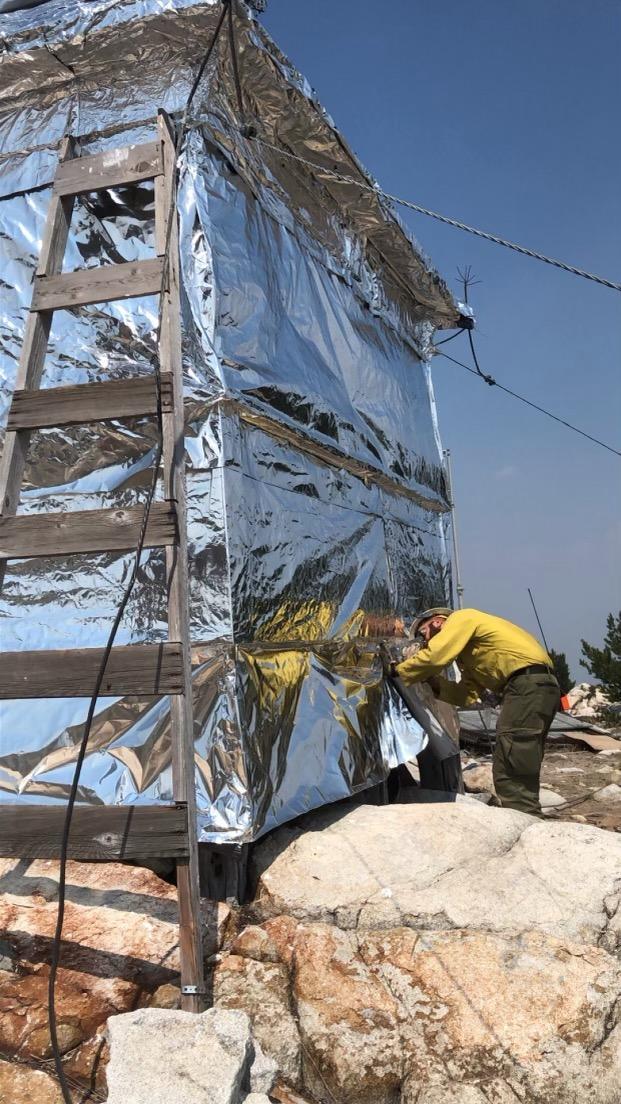
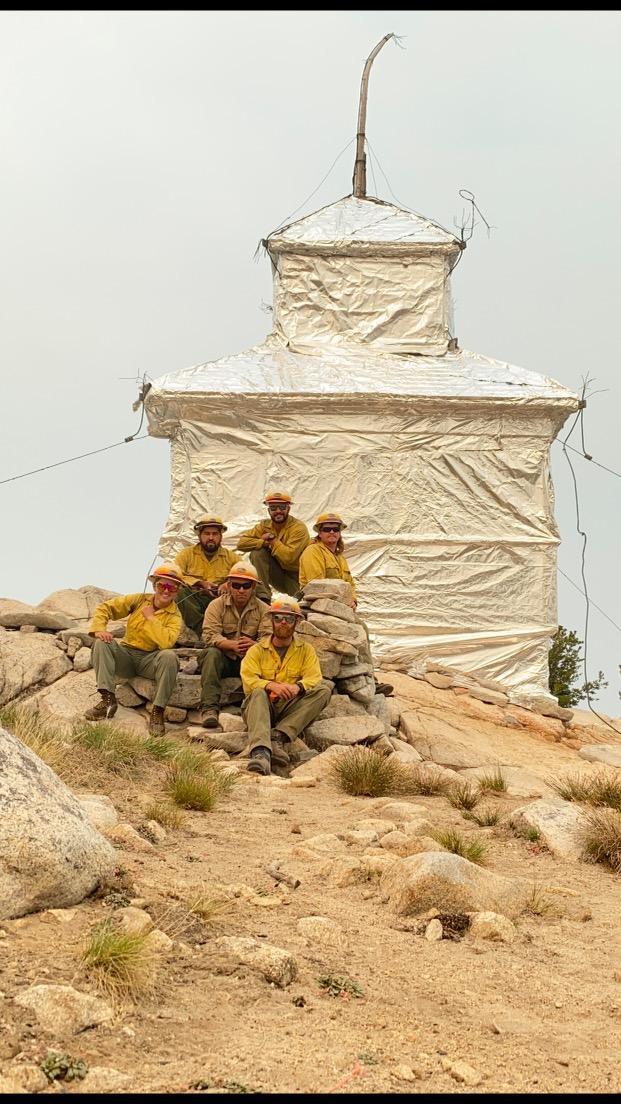
When the fire spread north, N20’s twin lookouts were wrapped for fire protection, just in case. A huge thanks to our wonderful District and the Payson helitack crews for completing the work. We hope to return to N20 next season to carry out our planned work.
The route.
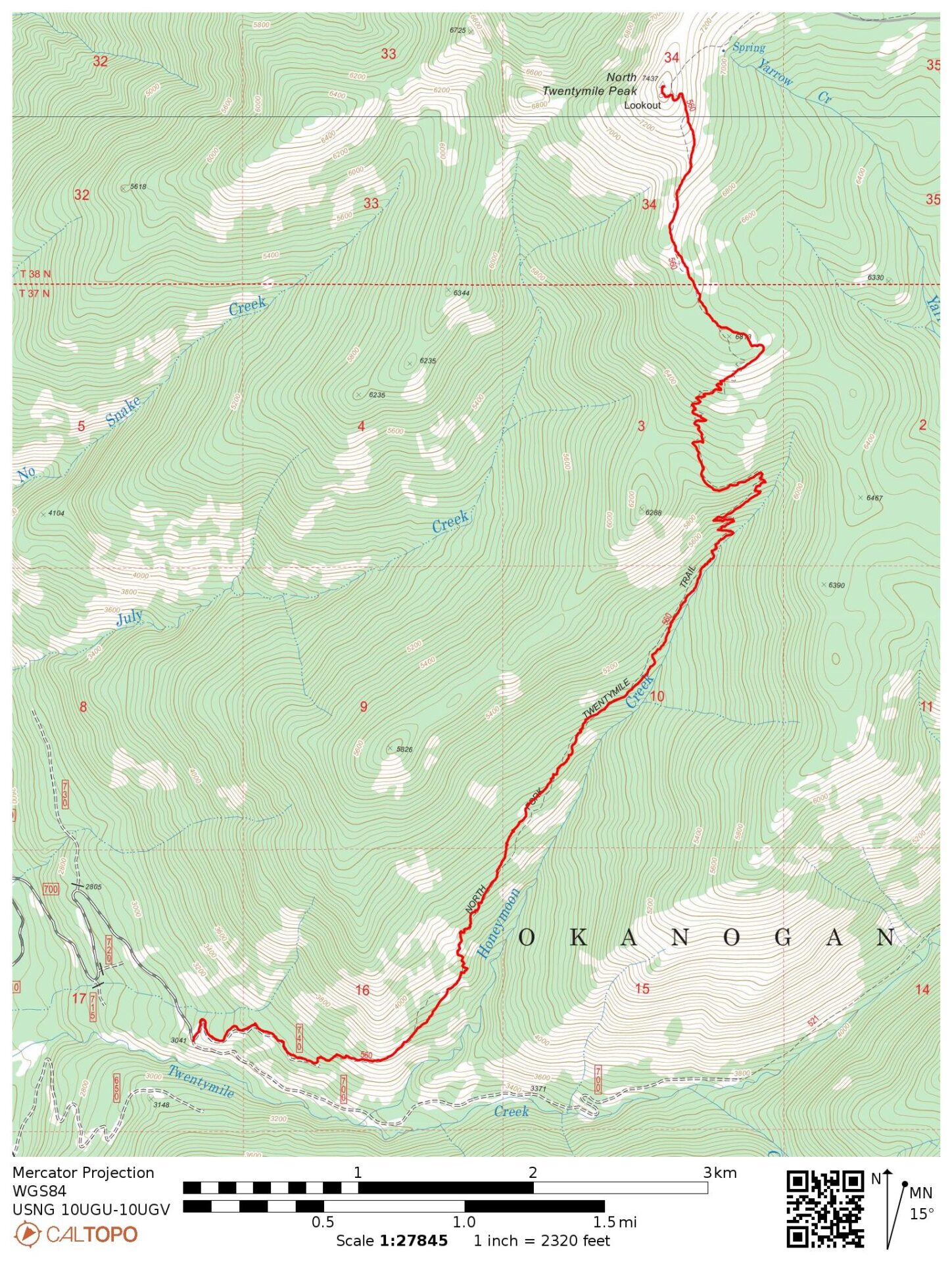
Distance (RT): 12.6 miles
Elevation Gain: 4,400′
Summit Elevation: 7,437′
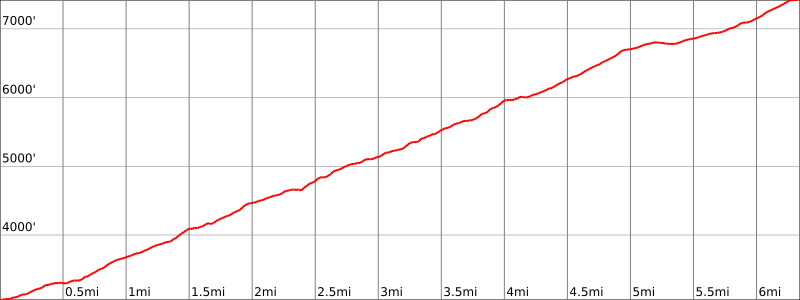
If there’s one thing you can say about the hike to the summit of North Twentymile, it’s consistent! While this lookout isn’t one of the longer hikes, it does require nearly 4,500′ gain and takes you above 7,000′ so it’s certainly not a walk in the park.
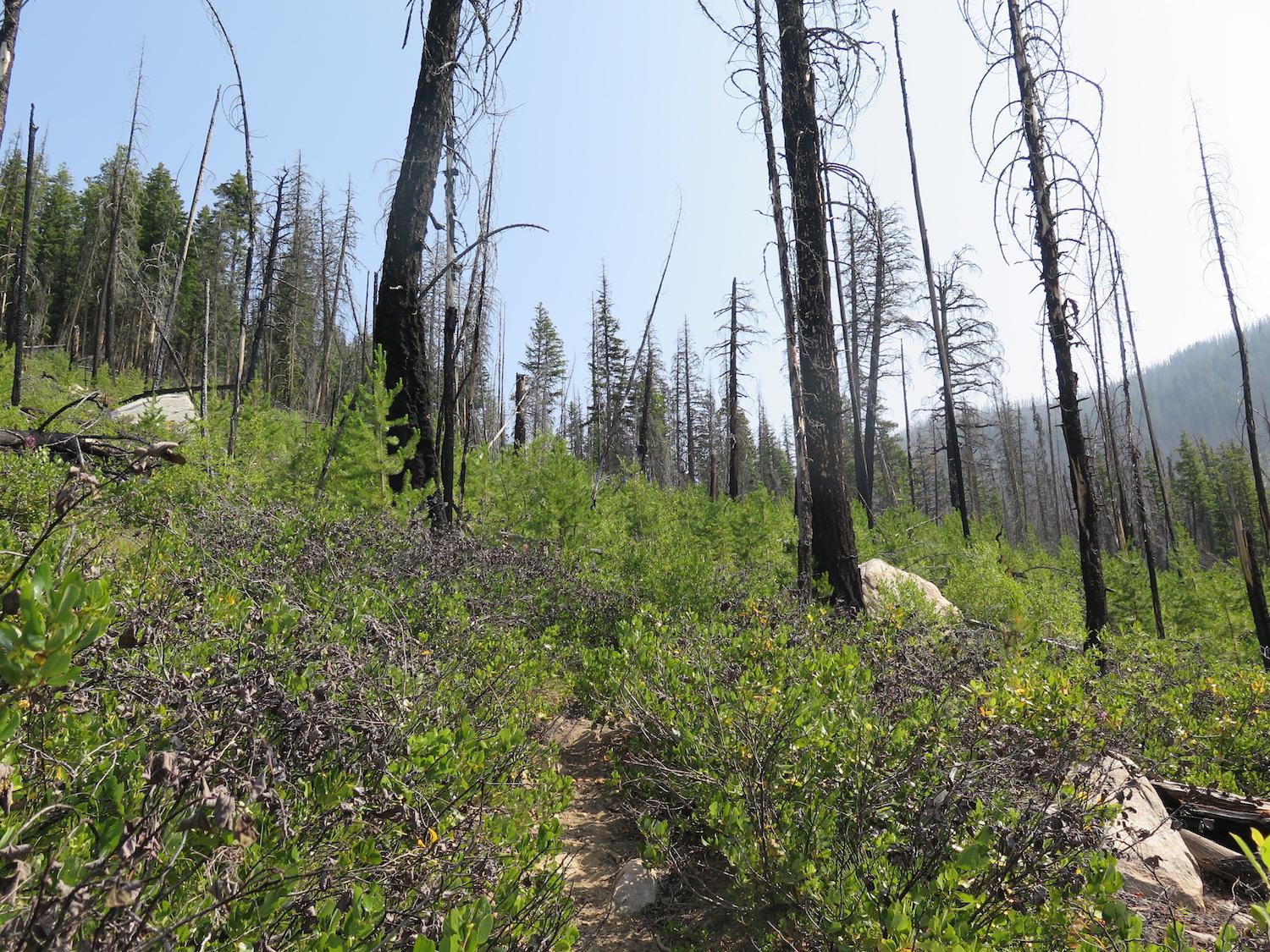
The trail starts on an old road bed before turning into single track and slowly climbing high along Honeymoon Creek. The area was burned in the 2006 Tripod fire and offers little shade in summer months.
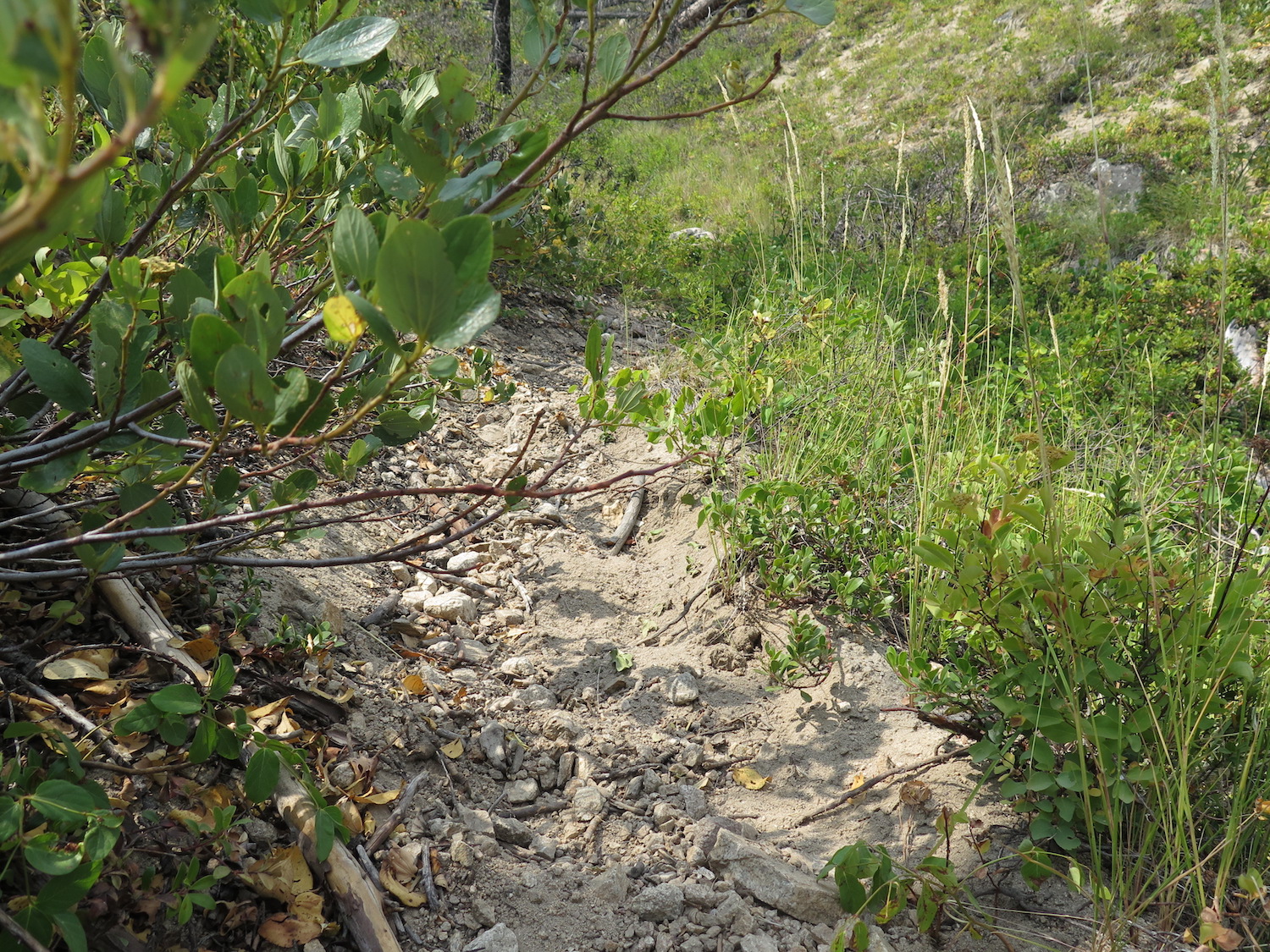
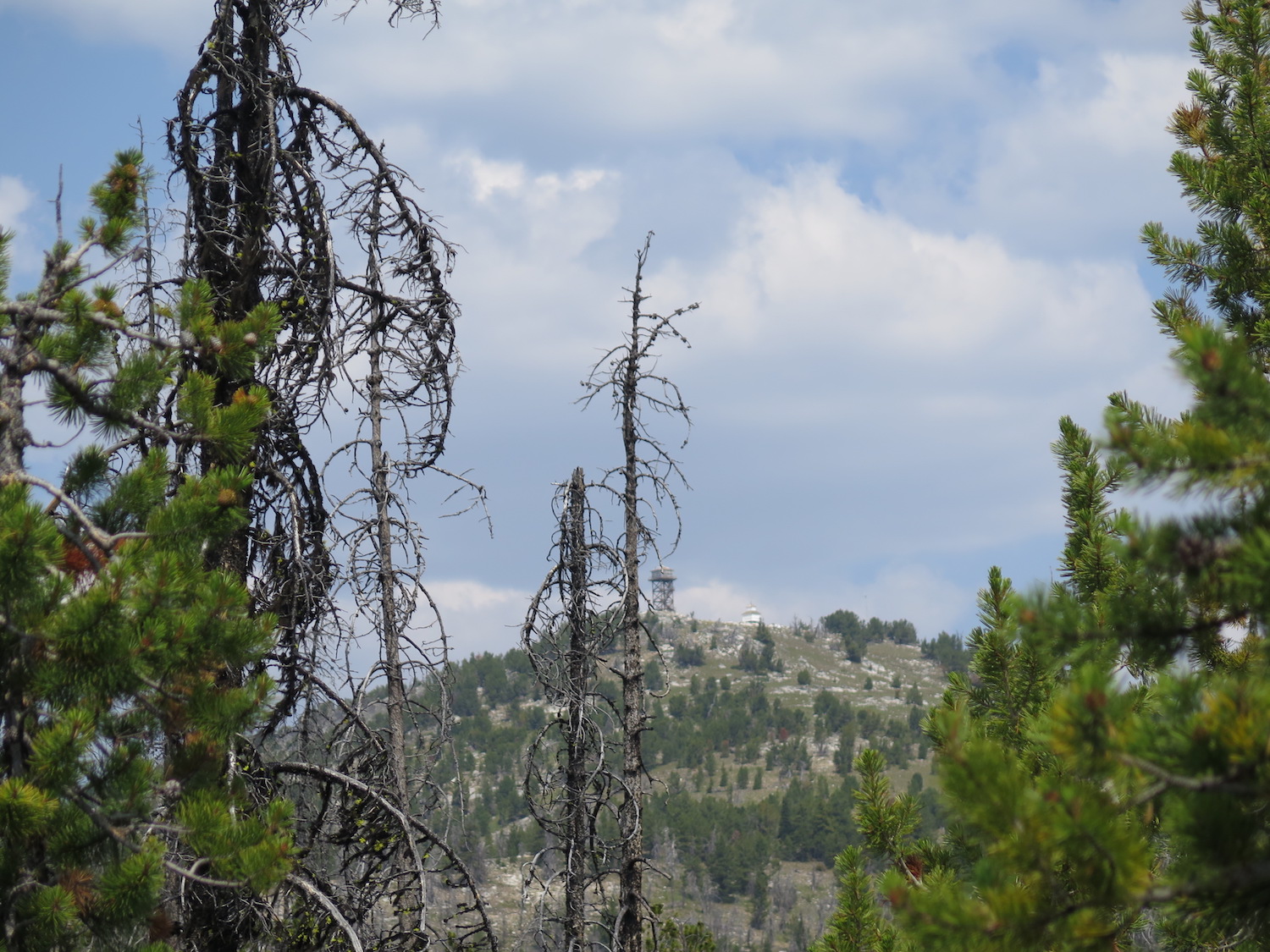
After 4 miles, the trail climbs up to a high point around 6,800′ that provides the first glimpse of the twin lookout towers in the distance. The trail then crosses a broad saddle before climbing the final stretch to the summit, which was spared in the fire and still has refreshingly unburned trees. The route to North Twentymile is often very hot, dry, and dusty in summer months and there is little to no water along this trail. Honeymoon Creek is not easily reachable and though there is a spring near the summit, I wouldn’t count on being able to find it. Because of the fire damage, there can often be blowdown on the trail, so be prepared for log hopping. While the route is straightforward enough, parts of the trail can be very faint and tough to follow, so I’d highly recommend bringing a map or GPS. Definitely pack lots of water and be prepared for a hot hike in the summer.
Directions.
From Winthrop, drive the West Chewuch Road north about 20 miles to Camp Four Campground. Cross the bridge on Forest Service Road 5110 and in 0.5 miles turn left on Forest Service Road 700. Drive 2.0 miles to the trailhead and a parking area. The road from the East Chewuch remains in poor condition and is impassable.